
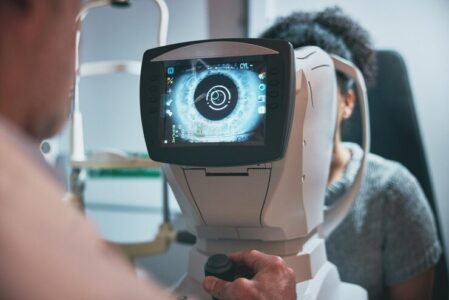
You may notice that your vision is slightly blurry, your eyes feel different at night, or you are suddenly seeing more spots or flashes. It is easy to blame these changes on screen time, tiredness or getting older.
But some eye problems can develop gradually without causing obvious pain. In other cases, a sudden change in vision may need urgent attention.
So, which eye changes should you actually take seriously?
Dr. Kiran Kumar K, Medical Director and Chief Surgeon at Kiran Eye Hospital, explains the subtle warning signs that should not be ignored and when an eye examination may be necessary.
Which Eye Changes Need Attention?
Persistent blurred or distorted vision, sudden flashes or an increase in floaters, worsening night vision, loss of peripheral vision, and unexplained eye pain or redness can sometimes indicate an underlying eye condition. While these symptoms do not always mean something serious, new, sudden or worsening symptoms should be assessed by an ophthalmologist rather than self-diagnosed.
1. Your Vision Is Becoming Blurry or Distorted
Blurred vision is one of the most common eye complaints, but the reason behind it can vary.
You may notice that:
- Objects no longer look as sharp as before
- You need to move closer to read
- Straight lines appear distorted
- Your vision changes between the two eyes
- Blurriness continues even after resting your eyes
Sometimes blurred vision is related to an uncorrected refractive error. However, cataract, corneal problems, retinal conditions and other eye disorders can also affect vision.
If the change is persistent, gradually worsening or occurs suddenly, an eye examination can help identify the underlying cause.
2. You Suddenly See Flashes or Many More Floaters
Most people occasionally notice small spots or shapes moving across their vision. These are commonly called floaters.
However, a sudden increase in floaters accompanied by flashes of light can be a warning sign of a retinal tear or retinal detachment.
You should seek urgent eye care if you suddenly experience:
- Numerous new floaters
- Repeated flashes of light
- A dark curtain or shadow across your vision
- Sudden loss of peripheral vision
These symptoms should not be treated as ordinary eye strain.
3. Your Night Vision Is Getting Worse
Are you finding it harder to see when driving at night? Do headlights appear unusually bright or uncomfortable? Are you struggling to identify objects in dim lighting?
Gradually worsening night vision can have several possible causes.
Cataracts, refractive errors and certain retinal conditions can affect the ability to see clearly in low-light environments.
If night vision is becoming progressively worse, an ophthalmologist can assess your eyes and determine whether the problem is related to your glasses prescription, cataract or another eye condition.
4. You Are Losing Part of Your Peripheral Vision
Not every eye problem causes obvious blurriness.
Sometimes the change is more subtle – you may feel that you are not noticing objects approaching from the side or that you need to turn your head more often to see clearly.
A gradual reduction in peripheral vision can occur with conditions such as glaucoma and certain retinal disorders.
This is one reason routine eye examinations are important, particularly for people who have risk factors for glaucoma or other eye diseases.
Kiran Eye Hospital provides evaluation and management for glaucoma, including diagnostic assessment and appropriate medical, laser or surgical treatment when required.
5. You Have Persistent Eye Pain, Redness or Light Sensitivity
A little redness after a long day or temporary irritation does not necessarily indicate a serious problem.
However, persistent eye pain, significant redness, sensitivity to light or a sudden change in vision should not be ignored.
These symptoms can occur with different eye conditions, and the correct treatment depends on the underlying cause.
Avoid self-medicating with eye drops for prolonged periods without professional advice. An ophthalmologist can examine the eye and determine whether medication, further testing or another treatment is appropriate.
When Should You See an Eye Specialist?
You should consider an eye examination if you experience:
- Persistent blurred or distorted vision
- Increasing difficulty seeing at night
- New or increasing floaters
- Flashes of light
- Loss of peripheral vision
- Persistent eye pain
- Significant redness
- Increased sensitivity to light
- Any unexplained or worsening change in vision
Seek urgent medical attention if you experience:
Sudden vision loss, a curtain-like shadow over your vision, or a sudden shower of flashes and floaters.
These symptoms can require prompt assessment to protect your vision.
Why Regular Eye Examinations Matter
Some eye conditions can progress without causing noticeable symptoms during their early stages.
A comprehensive eye examination allows an ophthalmologist to assess your vision and examine different structures of the eye. Depending on your symptoms and risk factors, your doctor may recommend additional tests.
Regular examinations can be particularly important for people with existing eye conditions, a family history of certain eye diseases, diabetes or other risk factors.
Expert Insight: Dr. Kiran Kumar K
Dr. Kiran Kumar K, Medical Director and Chief Surgeon at Kiran Eye Hospital, is an ophthalmologist with 14+ years of experience.
He completed his MBBS and MD at AIIMS New Delhi and holds DNB, FAICO in Cornea, FAICO in Refractive Surgery and MNAMS qualifications.
His areas of expertise include cataract surgery, corneal conditions, refractive surgery and ocular oncology, along with procedures and management related to corneal transplantation, keratoconus and refractive vision correction.
For patients looking for an Eye Specialist in Bangalore, selecting an ophthalmologist with relevant specialist training and experience is particularly important when symptoms are persistent or when surgical treatment may be required.
Doctor’s Advice
Your eyes do not always give dramatic warning signs when something is wrong. A gradual change in vision may be easy to overlook, while a sudden change can sometimes require immediate attention.
If something about your vision feels different and the change persists, don’t simply assume it is due to screen time or tiredness. An eye examination can help determine what is causing the problem and whether treatment is necessary.
The earlier a potentially serious eye problem is identified, the sooner appropriate management can begin.
About Kiran Eye Hospital
Kiran Eye Hospital in JP Nagar, Bangalore, provides comprehensive ophthalmic care across areas including cataract, cornea, retina, glaucoma and refractive eye care.
The hospital’s specialist team includes ophthalmologists with expertise across different areas of eye care, allowing patients to receive evaluation and treatment based on their individual condition.
Medically Reviewed By: Dr. Kiran Kumar K
Specialty: Ophthalmology
Last Reviewed: August 2026
Frequently Asked Questions
1. What are the most important eye warning signs?
Sudden vision changes, flashes, a sudden increase in floaters, peripheral vision loss, persistent eye pain and significant redness should not be ignored.
2. Are floaters and flashes always serious?
Not always. Occasional floaters can be common. However, a sudden increase in floaters, particularly when accompanied by flashes or a curtain-like shadow, requires urgent eye assessment.
3. Can worsening night vision be a sign of cataract?
Yes, cataracts can affect vision in low-light conditions and may cause problems such as glare from headlights. However, other eye conditions can also affect night vision, so an examination is needed to identify the cause.
4. When should I consult an Eye Specialist in Bangalore?
You should consider consulting an ophthalmologist if you have persistent or worsening changes in vision, recurring eye pain, flashes, new floaters, night-vision difficulties or other unexplained visual symptoms.
5. How often should I have an eye examination?
The appropriate frequency depends on factors such as your age, eye health, symptoms, family history and medical conditions. Your ophthalmologist can recommend an examination schedule based on your individual risk factors.
Book an Eye Consultation in Bangalore
If you have noticed a persistent or unexplained change in your vision, consider getting your eyes examined rather than waiting for the symptoms to worsen.
Kiran Eye Hospital
JP Nagar, Bangalore
Phone: +91 8105681057
An experienced ophthalmologist can evaluate your symptoms and recommend the appropriate tests or treatment based on your individual eye health.