Patients who undergo SMILE surgery often expect their vision to improve within a few days. However, clearer vision does not necessarily mean that the eyes have completed their healing process. Regular follow-up eye examinations are important to monitor corneal healing, check visual clarity, identify dryness and detect any postoperative complications. Dr. Kiran Kumar, Medical Director …

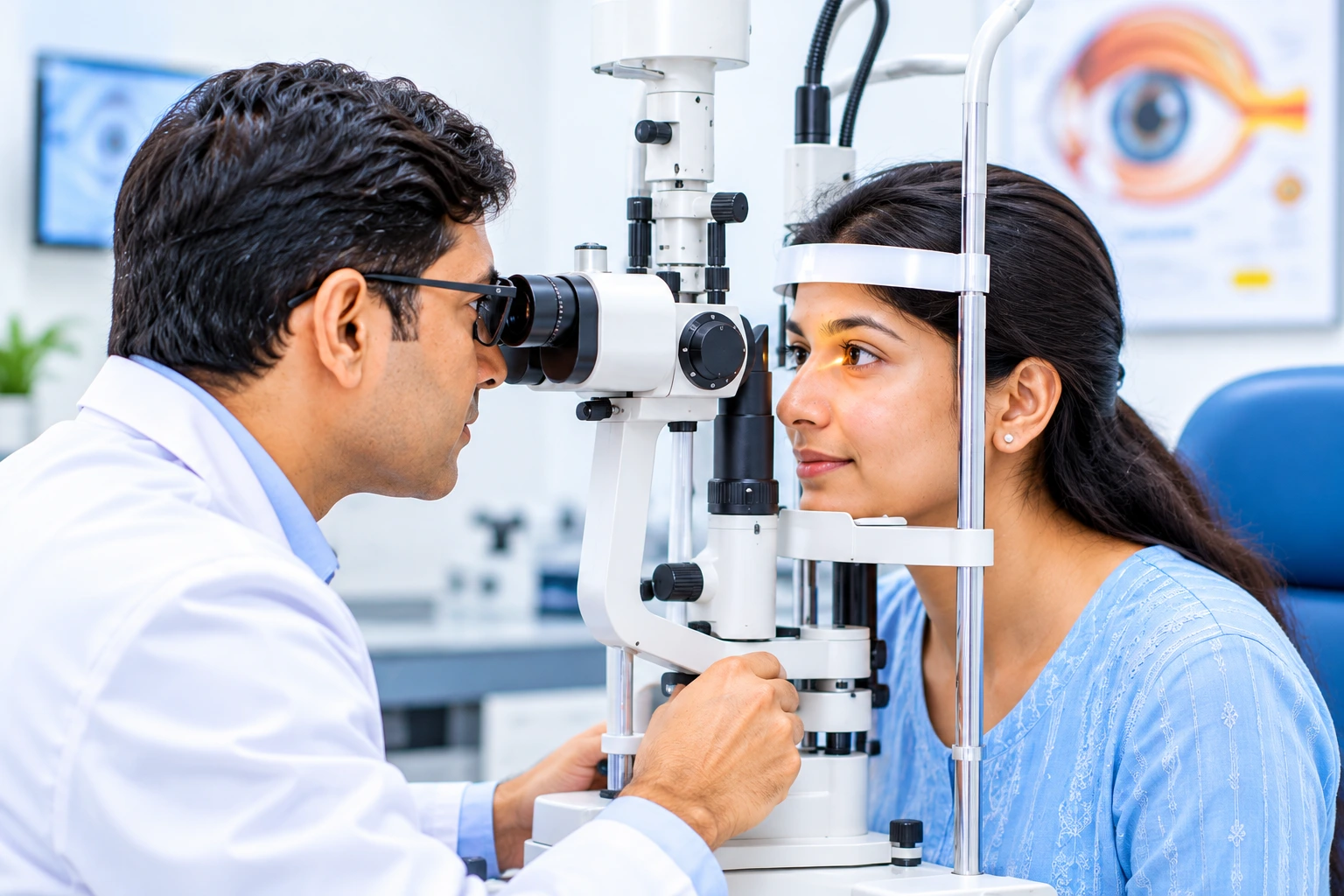
Patients who undergo SMILE surgery often expect their vision to improve within a few days. However, clearer vision does not necessarily mean that the eyes have completed their healing process. Regular follow-up eye examinations are important to monitor corneal healing, check visual clarity, identify dryness and detect any postoperative complications. Dr. Kiran Kumar, Medical Director and Chief Surgeon at Kiran Eye Hospital, recommends following the postoperative examination schedule advised by the operating ophthalmologist. These visits help assess recovery and determine whether additional care is required.
SMILE (Small Incision Lenticule Extraction) is a laser vision correction procedure used to treat certain refractive errors, including myopia and astigmatism. Although it involves a small corneal incision, the operated eyes still require proper monitoring during recovery.
Why Are Regular Eye Checkups Important After SMILE Surgery?
One common concern among patients is whether follow-up appointments are necessary when their eyesight already feels clear.
The answer is yes. Visual improvement is only one part of recovery. The cornea, tear film and overall eye health also need evaluation.
Regular examinations help the ophthalmologist:
- Monitor corneal healing after laser treatment.
- Measure changes in uncorrected and corrected vision.
- Identify signs of inflammation or infection.
- Evaluate dry eye symptoms and tear film stability.
- Check for residual refractive errors.
- Determine whether the prescribed eye drops can be reduced or discontinued.
Some patients may experience temporary blurred vision, glare, light sensitivity or dryness during recovery. These symptoms should be discussed during follow-up appointments rather than managed independently.
When Should You Schedule Your First Eye Examination After SMILE Surgery?
The first postoperative examination is generally scheduled within 24 hours after surgery, or according to the surgeon’s instructions.
During this appointment, the ophthalmologist evaluates the initial healing response and checks whether the corneal surface is recovering as expected.
The examination may include:
- Visual acuity testing to assess eyesight.
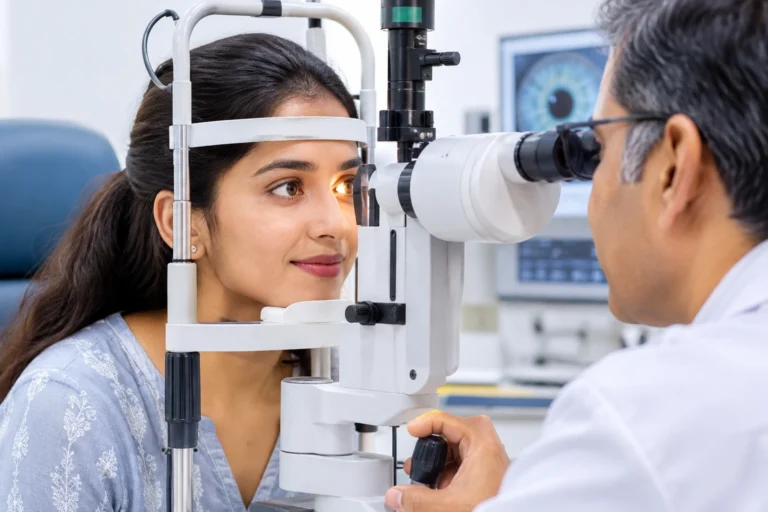
- Slit-lamp examination to inspect the cornea.
- Evaluation of the surgical incision and surrounding tissue.
- Assessment of inflammation or other early complications.
- Review of prescribed antibiotic, anti-inflammatory and lubricating eye drops.
Patients should inform the doctor if they experience unusual discomfort, watering, redness or difficulty seeing clearly.
What Tests Are Performed During the First Week After SMILE Surgery?
The first week is an important period because the eyes are still adjusting after the procedure.
Even when vision improves quickly, some patients experience fluctuations while the corneal tissue continues healing.
The ophthalmologist may perform the following examinations:
- Visual Acuity Test
This test measures how clearly a patient can see objects at different distances. It helps assess early visual improvement and identify any remaining vision-related concerns.
- Slit-Lamp Examination
A slit-lamp microscope allows the doctor to examine the cornea, conjunctiva and other visible structures of the eye. It helps identify surface irregularities, inflammation and signs of delayed healing.
- Corneal Surface Evaluation
The doctor checks the corneal surface for dryness, irritation or epithelial changes that may affect visual comfort.
- Tear Film Assessment
Patients experiencing burning, irritation or fluctuating vision may require an examination of tear film quality and stability.
These tests help the ophthalmologist decide whether the current postoperative treatment needs adjustment.
What Happens During the One-Month Follow-Up Examination After SMILE?
By the one-month stage, many patients notice improved visual comfort and greater stability in everyday activities. However, the recovery timeline differs between individuals.
The one-month examination generally focuses on assessing visual quality and checking whether the eyes are healing appropriately.
Depending on the patient’s condition, the doctor may recommend:
- Uncorrected and corrected visual acuity testing.
- Refraction testing to identify residual spectacle power.
- Slit-lamp examination of the cornea.
- Tear film evaluation for persistent dryness.
- Corneal topography if there are concerns about corneal shape or visual quality.
Patients who continue experiencing difficulty with night driving, glare, halos or fluctuating vision should discuss these symptoms with their ophthalmologist.
Not every patient requires every diagnostic test at each visit. The examination plan depends on individual recovery and clinical findings.
Are Three-Month and Six-Month Eye Examinations Necessary After SMILE Surgery?
Some patients assume that follow-up appointments can stop once their eyesight becomes comfortable. However, additional examinations may be recommended to assess longer-term visual stability.
Three-month examination:
The ophthalmologist evaluates whether the visual correction is becoming stable. Refraction testing, visual acuity assessment and corneal examination may be repeated when clinically indicated.
Six-month examination:
This visit may help assess longer-term visual quality, persistent dryness and any remaining refractive concerns.
Some patients may also require examinations at nine months or one year, depending on their recovery and the surgeon’s recommendations.
There is no single follow-up schedule suitable for everyone. The operating surgeon determines the appropriate intervals based on the patient’s eye condition.
What Symptoms Should You Report During a Post-SMILE Eye Examination?
Patients should explain even minor changes in vision during their follow-up appointments.
Pay particular attention to:
- Blurred or fluctuating vision that does not improve.
- Persistent dryness, burning or irritation.
- Increased sensitivity to bright lights.
- Glare or halos while driving at night.
- Difficulty focusing on distant objects.
- Unusual redness or watering.
When should you seek immediate medical attention?
Do not wait for your next scheduled appointment if you experience severe or increasing eye pain, sudden deterioration in vision, significant redness, discharge or rapidly worsening symptoms.
Sudden vision loss requires urgent medical assessment.
Early evaluation helps the ophthalmologist identify the underlying problem and recommend appropriate treatment.
How Can You Maintain Eye Health Between SMILE Surgery Follow-Up Visits?
Following postoperative instructions is just as important as attending scheduled examinations.
Patients should:
- Use prescribed eye drops according to the recommended schedule.
- Avoid rubbing or pressing the operated eyes.
- Follow the surgeon’s instructions regarding swimming and water exposure.
- Wear protective eyewear when advised.
- Take regular breaks during prolonged screen use if experiencing discomfort.
- Avoid restarting contact lenses without medical approval.
- Attend all recommended postoperative appointments.
If dryness continues, the doctor may recommend lubricating drops or additional dry eye evaluation.
Patients should not independently stop prescribed medications or increase their dosage.
Where Can You Consult a SMILE Surgery Surgeon in Kanakapura Road?
Patients looking for information about postoperative eye examinations and laser vision correction can consult an ophthalmologist for an individual assessment.
At Kiran Eye Hospital, JP Nagar, Bengaluru, patients can access ophthalmic consultations and refractive surgery evaluation, including SMILE surgery.
Dr. Kiran Kumar, Medical Director and Chief Surgeon, holds MBBS, MD (AIIMS, New Delhi), DNB, FAICO (Cornea), FAICO (Refractive Surgery) and MNAMS qualifications. His professional profile includes expertise in refractive procedures such as SMILE, LASIK and PRK.
Patients seeking a Smile Surgery Surgeon in Kanakapura Road can discuss their vision concerns, surgical suitability and postoperative examination requirements with the ophthalmology team.
A detailed consultation helps determine the appropriate treatment and follow-up plan based on individual eye health.
Book an appointment with Kiran Eye Hospital to discuss your eye examination and vision correction requirements.
Frequently Asked Questions
1. How many follow-up appointments are required after SMILE surgery?
The number of appointments varies depending on individual recovery. Common monitoring intervals may include the first day, first week, first month and subsequent visits at three or six months. Your surgeon will recommend the appropriate schedule.
2. Can I skip my follow-up appointment if my vision is clear after SMILE surgery?
No. Clear vision does not necessarily confirm complete corneal healing. Follow-up examinations help evaluate the corneal surface, tear film and visual stability.
3. Is blurred vision normal after SMILE surgery?
Some patients experience temporary blurred or fluctuating vision during the initial recovery period. However, persistent or worsening blurred vision should be evaluated by an ophthalmologist.
4. Do I need corneal topography after SMILE surgery?
Corneal topography may be recommended when the ophthalmologist needs to assess corneal shape or investigate certain visual concerns. It is not necessarily required during every routine follow-up appointment.
5. What happens if I experience dry eyes several months after SMILE surgery?
Persistent dryness may require tear film evaluation and an assessment of the ocular surface. Depending on the findings, the ophthalmologist may recommend lubricating drops or other dry eye treatments.
Book a Consultation
It’s easy and free!