Yes, ICL Surgery may correct certain cases of farsightedness (hyperopia), depending on the person's eye measurements, prescription and overall eye health. An Implantable Collamer Lens (ICL) is placed inside the eye, behind the iris and in front of the natural lens, to help focus light correctly on the retina. However, not everyone with farsightedness is …

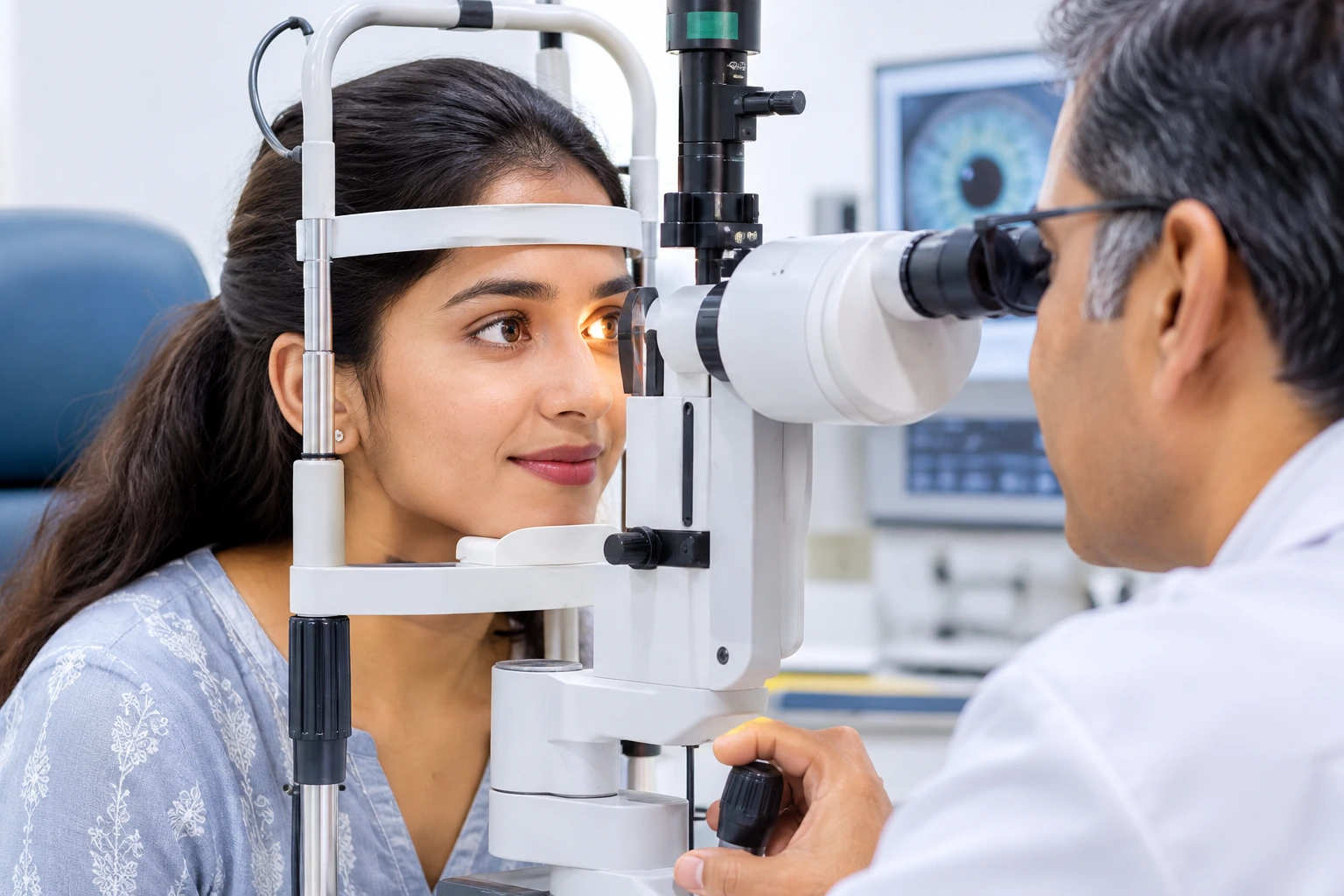
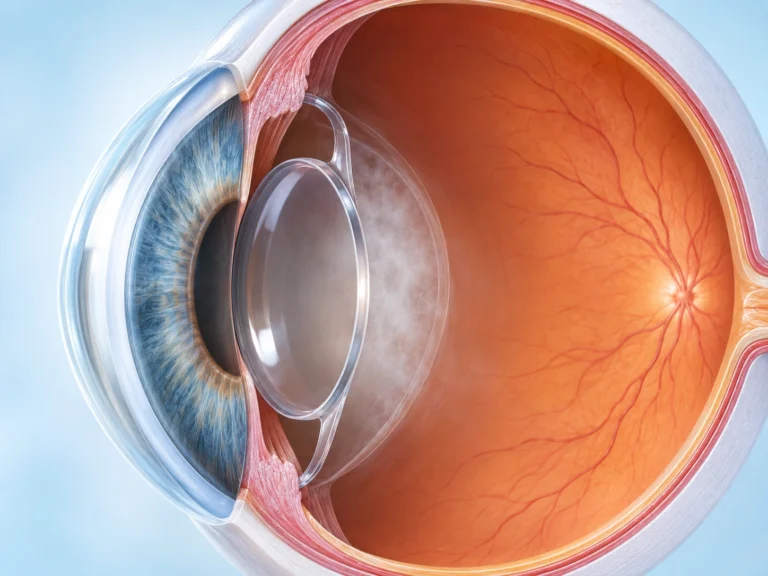
Yes, ICL Surgery may correct certain cases of farsightedness (hyperopia), depending on the person’s eye measurements, prescription and overall eye health. An Implantable Collamer Lens (ICL) is placed inside the eye, behind the iris and in front of the natural lens, to help focus light correctly on the retina. However, not everyone with farsightedness is suitable for this procedure. A detailed eye examination is necessary to determine whether ICL, another vision correction procedure or glasses would be more appropriate.
For people considering vision correction, understanding how ICL works for farsightedness is important before deciding on surgery. This article explains the procedure, eligibility, investigations and questions patients commonly have when exploring treatment options.
What Is Farsightedness and Why Does It Affect Near Vision?
Farsightedness, medically known as hyperopia, is a refractive error in which light entering the eye tends to focus behind the retina rather than directly on it.
People with hyperopia may experience:
- Difficulty focusing on nearby objects.
- Eye strain while reading or using digital screens.
- Headaches after prolonged close-up activities.
- Blurred vision, particularly during near work.
- Difficulty maintaining focus while studying or working.
The condition can occur when the eyeball is shorter than average or when the cornea has insufficient focusing power. Mild hyperopia may not always cause noticeable symptoms, particularly in younger individuals, because the natural lens can compensate by changing its focusing power.
How Does ICL Surgery Help Correct Farsightedness?
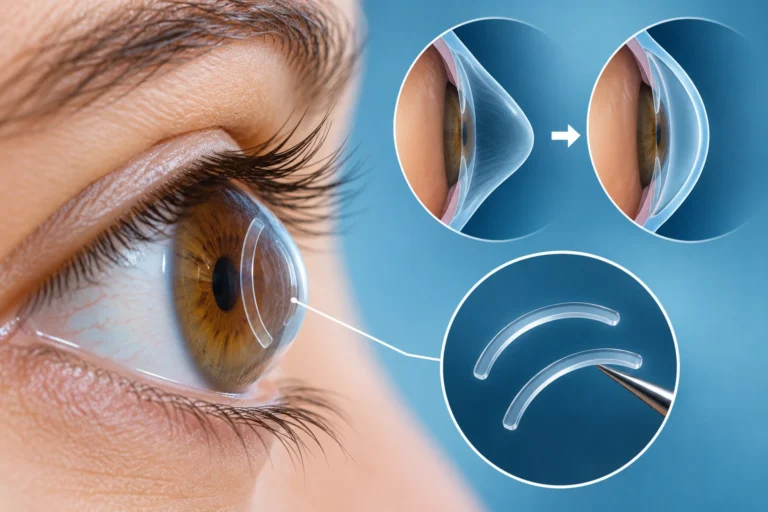
ICL involves placing a specially designed lens inside the eye without removing the natural crystalline lens. The implanted lens changes how incoming light is focused, helping correct the refractive error.
Unlike procedures that reshape the cornea, ICL works by adding an optical lens inside the eye. This makes it a different approach to refractive vision correction.
ICL lenses are available in different specifications, and the appropriate lens power must be calculated using detailed eye measurements. Certain ICL models and treatment plans can address hyperopia, but suitability depends on the available lens design, degree of refractive error and the patient’s eye anatomy.
It is important to understand that ICL is not automatically suitable for every person with farsightedness.
Who May Be Suitable for ICL Surgery for Hyperopia?
A person with farsightedness may be considered for ICL after an ophthalmologist evaluates their prescription and eye health.
Factors that may influence eligibility include:
- Stable refractive prescription.
- Adequate anterior chamber depth.
- Suitable eye anatomy and internal eye measurements.
- Healthy cornea and natural lens.
- Appropriate endothelial cell count.
- Absence of certain untreated eye conditions.
Patients with significant refractive changes, glaucoma, cataracts or other eye conditions may require additional assessment or an alternative treatment approach.
Age, prescription stability and individual clinical findings also influence the decision. The final recommendation should always come from an ophthalmologist following a comprehensive examination.
Is ICL Different from IPCL for Treating Farsightedness?
This is an important distinction for patients researching refractive eye surgery.
Although ICL and IPCL are both implantable phakic lenses, their available designs and refractive correction ranges can differ.
- ICL (Implantable Collamer Lens): Commonly used for correcting moderate to high myopia and certain cases of astigmatism.
- IPCL (Implantable Phakic Collamer Lens): Offers additional options for correcting higher degrees of hyperopia, depending on the lens model and patient’s eye measurements.
For patients with farsightedness, the availability of an appropriate lens power is an important consideration. The ophthalmologist must confirm whether ICL or IPCL is suitable rather than assuming both procedures provide identical correction.
Patients can learn more about the available procedures on the ICL / IPCL Surgery service page.
What Eye Tests Are Required Before ICL Surgery?
Before recommending an implantable lens, the ophthalmologist needs to understand the patient’s prescription, eye structure and overall ocular health.
Depending on the clinical findings, investigations may include:
- Refraction test: Measures the degree of farsightedness and identifies associated astigmatism.
- Corneal topography: Evaluates the shape and curvature of the cornea.
- Anterior chamber depth measurement: Determines whether sufficient space is available for lens implantation.
- Endothelial cell count: Evaluates the health and density of the corneal endothelial cells.
- Intraocular pressure measurement: Checks the pressure inside the eye.
- Retinal examination: Helps identify retinal conditions that may affect treatment planning.
Additional investigations may be required depending on the patient’s age, prescription and examination results.
A spectacle prescription alone is not sufficient to determine surgical eligibility. Patients can also explore the hospital’s comprehensive eye examination services before discussing treatment options.
What Are the Possible Risks of ICL Surgery?
Like other intraocular procedures, ICL surgery has potential risks. Patients should understand these before making a treatment decision.
Possible complications include:
- Increased intraocular pressure.
- Inflammation inside the eye.
- Infection.
- Cataract development.
- Glare or halos around lights.
- Incorrect lens positioning or unsuitable lens sizing.
- Changes in corneal endothelial cell health.
Regular postoperative examinations help the ophthalmologist monitor lens position, eye pressure and overall eye health.
Patients should discuss the potential benefits, limitations and complications relevant to their individual condition during consultation.
When Should You Consult an Eye Surgeon for Farsightedness?
Consider scheduling an eye examination if you experience persistent difficulty focusing on nearby objects, frequent headaches while reading, eye strain or blurred vision.
Do not delay medical attention if you notice sudden vision changes, severe eye pain, significant redness, flashes of light, a sudden increase in floaters or a curtain-like shadow in your vision. These symptoms require urgent ophthalmic assessment.
People considering refractive surgery should also seek consultation before stopping their existing glasses or contact lenses.
Where Can Patients from Jayanagar Consult for ICL Surgery?
Patients searching for an ICL Surgery consultation or an eye surgeon in Jayanagar can visit Kiran Eye Hospital in JP Nagar, Bengaluru, for an assessment of their refractive error and available vision correction options.
Dr. Kiran Kumar, Medical Director and Chief Surgeon at Kiran Eye Hospital, holds MBBS, MD (AIIMS, New Delhi), DNB, FAICO (Cornea), FAICO (Refractive Surgery) and MNAMS qualifications. His published professional profile identifies corneal and refractive surgery among his clinical areas.
The ophthalmology team can evaluate whether ICL, IPCL, LASIK or another approach is appropriate based on the patient’s eye condition.
For patients exploring ICL Surgery in Jayanagar, an individual consultation at Kiran Eye Hospital can help clarify whether an implantable lens is a suitable option for correcting farsightedness.
Hospital: Kiran Eye Hospital, JP Nagar, Bengaluru, Karnataka 560078.
Contact: +91 8105681057
Website: www.kiraneyehospital.com
Frequently Asked Questions
1. Can ICL surgery correct high farsightedness?
Certain implantable phakic lenses can correct higher degrees of farsightedness. IPCL models may offer additional hyperopia correction options. Suitability depends on the refractive prescription, eye anatomy and available lens specifications.
2. Is ICL surgery better than LASIK for farsightedness?
Neither procedure is automatically better for everyone. LASIK reshapes the cornea, whereas ICL involves implanting a lens inside the eye. The choice depends on corneal thickness, refractive error, eye measurements and other clinical factors.
3. Can farsightedness return after ICL surgery?
The implanted lens corrects the refractive error for which it was selected, but it does not prevent all future changes in vision. Age-related changes, natural lens changes and other eye conditions may affect vision over time.
4. Is ICL surgery suitable for everyone with hyperopia?
No. Patients need a comprehensive examination to determine whether their eye anatomy, prescription and overall eye health are suitable. Some patients may benefit from glasses, contact lenses or other refractive procedures instead.
5. Where can I consult for ICL surgery near Jayanagar?
Patients from Jayanagar can consult the ophthalmology team at Kiran Eye Hospital, JP Nagar, Bengaluru. An examination can help determine whether ICL, IPCL or another vision correction option is appropriate.
Book a Consultation
It’s easy and free!