When I was first told that I had a cataract, one of my biggest questions was, “Do I really need a lens implant?” I wondered whether stronger glasses, eye drops, medicines, or some other treatment could remove the cataract without replacing the natural lens. If you have had the same question, you are not alone. …

When I was first told that I had a cataract, one of my biggest questions was, “Do I really need a lens implant?” I wondered whether stronger glasses, eye drops, medicines, or some other treatment could remove the cataract without replacing the natural lens.
If you have had the same question, you are not alone. Cataracts can initially be managed with changes such as better lighting or updated glasses when the vision loss is mild. However, once a cataract significantly affects vision, cataract surgery is the proven treatment that removes the cloudy natural lens. During modern cataract surgery, the removed lens is generally replaced with an artificial intraocular lens, commonly called an IOL.
For patients considering Cataract Surgery with lenses Bangalore, understanding why the lens is used and whether there are alternatives can make the decision much easier.
What Exactly Is a Cataract?
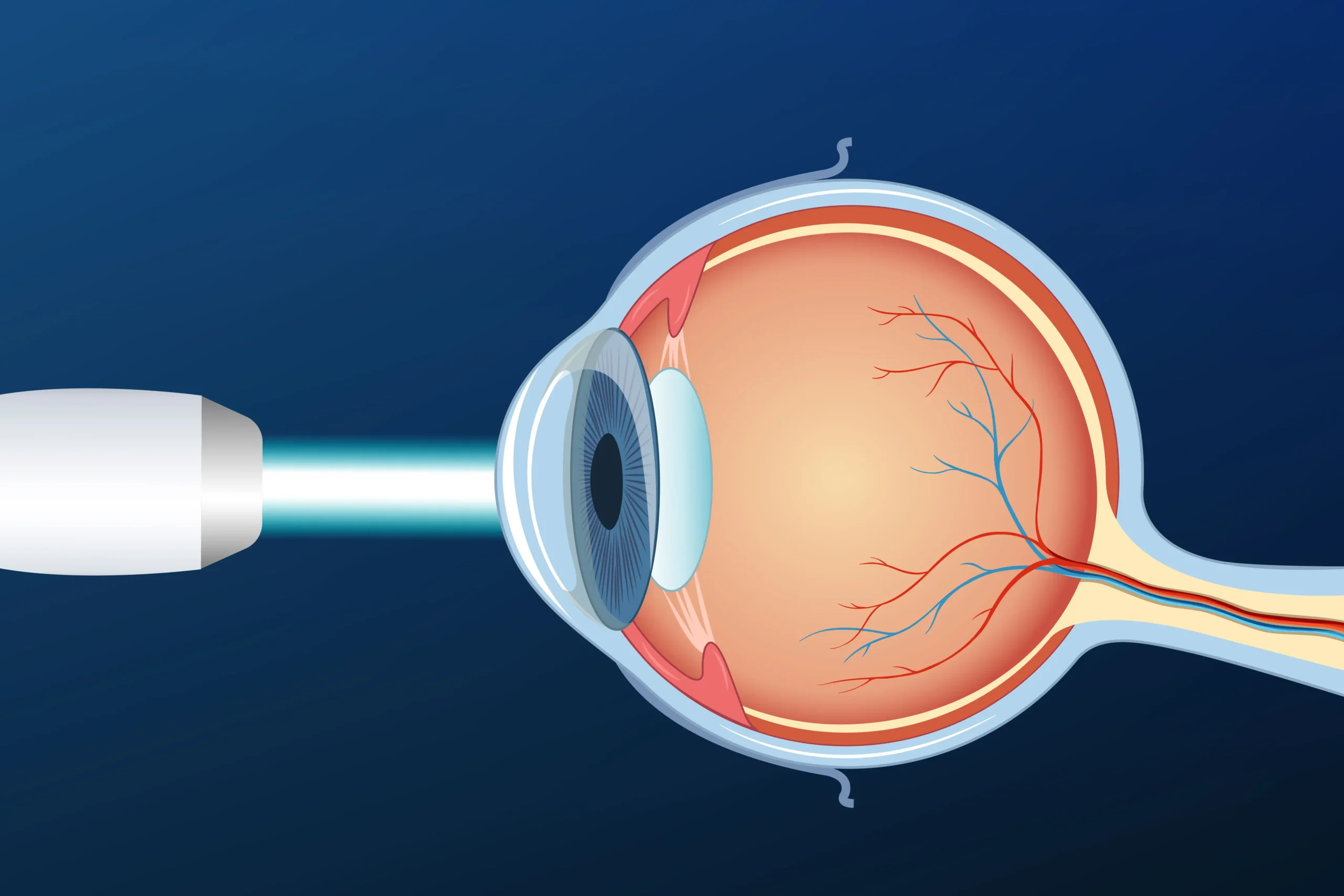
A cataract develops when the normally clear natural lens inside the eye becomes cloudy. The lens helps focus light onto the retina, allowing us to see clearly.
As the lens becomes cloudy, I may notice:
- Blurred or hazy vision
- Difficulty reading
- Trouble seeing while driving at night
- Increased glare from headlights
- Halos around lights
- Faded colours
- Frequent changes in spectacle power
- Difficulty seeing faces clearly
Cataracts commonly develop with ageing, although they can also occur earlier due to diabetes, eye injuries, certain medications, previous eye surgery, or other factors.
Can Eye Drops Remove a Cataract?
This is one of the most common questions patients ask.
At present, there is no eye drop that can reliably dissolve or reverse an established cataract. Eye drops may be prescribed for other eye conditions or around the time of surgery, but they do not remove the cloudy natural lens.
Similarly, vitamins, supplements, home remedies, or special exercises cannot remove an established cataract.
Can Stronger Glasses Treat a Cataract?
In the early stages, updating your glasses may make vision more comfortable. Better lighting and magnification can also help with reading.
But glasses do not remove the cloudy lens.
As the cataract progresses, simply increasing the spectacle power may no longer provide satisfactory vision. This is usually when an ophthalmologist discusses whether cataract surgery is appropriate.
So, Do I Need a Lens Implant During Cataract Surgery?
For most patients, yes.
Modern cataract surgery involves removing the cloudy natural lens and replacing it with an artificial intraocular lens.
The reason is simple: the natural lens has been removed, so the eye needs an optical replacement to focus light properly.
Without a replacement lens, the eye becomes significantly more farsighted, a condition known as aphakia. Although there are other ways of correcting aphakia, such as strong glasses or contact lenses in selected situations, an intraocular lens is generally the preferred solution after routine cataract removal.
This is why Cataract Surgery with lenses Bangalore is commonly discussed in terms of both cataract removal and IOL selection.
What Happens During Cataract Surgery?
As a patient, understanding the procedure helped me feel much less anxious.
Eye Examination Before Surgery
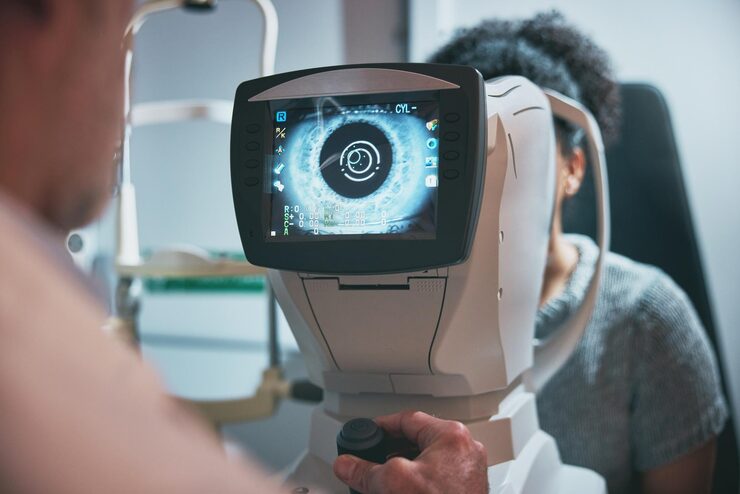
Before recommending surgery, the ophthalmologist examines the eye and assesses the cataract. Measurements are also taken to help select an appropriate intraocular lens.
Kiran Eye Hospital describes comprehensive eye evaluation, diagnosis, micro-incision surgery, phacoemulsification and IOL placement as part of its cataract surgery pathway.
Numbing the Eye
Cataract surgery is generally performed using local or topical anaesthesia, depending on the patient’s circumstances.
Removing the Cloudy Lens
A small incision is made and the cloudy lens is removed, commonly using phacoemulsification.
Placing the New Lens
The artificial intraocular lens is positioned inside the eye where the natural lens was located.
Going Home
Routine cataract surgery is usually performed as a day care procedure, although individual arrangements depend on the patient’s health and the doctor’s recommendation. Kiran Eye Hospital states that its cataract procedures typically take around 10 to 20 minutes per eye and patients generally return home the same day.
What Are the Different Types of Lens Implants?
One of the most important discussions I would have with my eye doctor is not simply “Do I need a lens?”, but rather “Which lens is suitable for my eyes and lifestyle?”
Monofocal Lens
A monofocal IOL generally provides clear vision at one primary distance. Many patients may still need glasses for certain activities, particularly reading.
Toric Lens
Toric lenses may be considered for patients with significant corneal astigmatism.
Multifocal or Other Premium Lens Options
Selected patients may be suitable for advanced lens designs intended to provide vision at more than one distance and reduce dependence on glasses.
However, premium lenses are not automatically better for every patient. Eye health, corneal condition, retinal health, lifestyle, expectations and visual requirements all matter.
A detailed consultation helps determine which option is appropriate.
Can I Have Cataract Surgery Without an Artificial Lens?
Technically, cataract surgery can be performed without immediately placing an IOL in certain unusual or medically necessary situations. However, this is not the routine approach for most patients.
Without a lens implant, vision is usually significantly blurred because the eye has lost its natural focusing power.
Strong corrective glasses or contact lenses may be used in selected circumstances, but they can have disadvantages such as image magnification, distortion, handling difficulties or limited comfort.
For most routine cataract patients, placing an IOL during cataract surgery provides a more practical way to restore focusing ability.
Can I Avoid Cataract Surgery Altogether?
If the cataract is mild and does not significantly interfere with daily activities, surgery may not be necessary immediately.
From a patient’s perspective, I may still be able to:
- Read comfortably
- Watch television
- Work normally
- Recognize faces
- Move around safely
- Drive safely, if legally permitted and vision meets requirements
In that situation, an ophthalmologist may recommend monitoring the cataract.
But if the cataract starts interfering with everyday life, surgery may become appropriate.
The decision should not be based only on a particular vision number. Your symptoms, lifestyle, eye health and personal needs all matter.
When Should I See a Cataract Doctor in Kanakapura Road?
If your vision is gradually becoming cloudy, you are struggling with night driving, or your glasses no longer seem to help, it is worth having a comprehensive eye examination.
You should also see a Cataract Doctor in Kanakapura Road if:
- Your vision has progressively worsened
- You experience significant glare
- You have difficulty reading despite updated glasses
- You are having trouble seeing while driving
- Colours appear faded
- Cataracts are affecting your independence
- You have diabetes or another condition that may affect eye health
- Another doctor has already diagnosed a cataract
A cataract consultation does not automatically mean you need surgery. The specialist can determine whether monitoring, updated glasses or surgery is most appropriate.
What Does Recovery Feel Like?
One thing that reassured me about modern cataract surgery is that recovery is generally straightforward for many patients.
After surgery, temporary symptoms can include:
- Mild irritation
- Watering
- Slight redness
- Temporary blurred vision
- Light sensitivity
Your doctor will prescribe postoperative eye drops and explain precautions.
Vision may improve quickly, but the exact recovery period varies between individuals. Following postoperative instructions and attending follow-up appointments are important.
Why Kiran Eye Hospital for Cataract Care?
Kiran Eye Hospital provides cataract evaluation and surgical care using modern diagnostic and surgical technology. Its cataract service includes experienced ophthalmologists, micro-incision techniques and different intraocular lens options.
Dr. Kiran Kumar K, Medical Director and Chief Surgeon, is an AIIMS New Delhi alumnus with qualifications including MBBS, MD, DNB, FAICO in Cornea, FAICO in Refractive Surgery and MNAMS. His listed areas of expertise include cataract, cornea and refractive surgery, with more than 14 years of practice.
Dr. Vandana M Kiran, Managing Director, is an MBBS, MS, DNB, FMR and MNAMS qualified ophthalmologist with expertise including retina, uvea and cataract care.
The hospital is located at 20, Ground Floor, Vishnu Towers, ITI Layout, 1st Phase, JP Nagar, Bengaluru, Karnataka 560078.
Frequently Asked Questions
1. Can cataracts be cured without surgery?
An established cataract cannot currently be removed with eye drops, medicines or home remedies. In early cataracts, glasses and lifestyle adjustments may help manage vision, but surgery is the definitive treatment when the cataract significantly affects daily life.
2. Is a lens implant necessary after cataract surgery?
For most patients, yes. Once the cloudy natural lens is removed, an intraocular lens is generally placed to restore the eye’s focusing ability.
3. Can I choose not to have a lens implant?
Although alternatives such as strong glasses or contact lenses may be possible in selected situations, leaving the eye without a lens is not generally preferred for routine cataract surgery. Your ophthalmologist can explain the most suitable option.
4. How do I know which lens implant is right for me?
The choice depends on your eye measurements, corneal and retinal health, astigmatism, lifestyle, visual expectations and whether you want to reduce your dependence on glasses. A Cataract Doctor in Kanakapura Road can discuss the available IOL options after examining your eyes.
5. When should I consider Cataract Surgery with lenses Bangalore?
Consider an evaluation when cataracts begin interfering with reading, driving, work, watching television or other daily activities. Surgery is usually recommended when the benefits of removing the cataract outweigh the risks of continuing with reduced vision.
Book an Appointment
If you are noticing cloudy vision, glare, difficulty reading or worsening night vision, do not assume that you simply need stronger glasses.
A comprehensive cataract evaluation can tell you whether you need surgery or whether your cataract can still be monitored.
Kiran Eye Hospital
20, Ground Floor, Vishnu Towers, ITI Layout, 1st Phase, JP Nagar, Bengaluru, Karnataka 560078
Call: +91 8105681057
Email: [email protected]
If you are considering Cataract Surgery with lenses Bangalore, speak with an ophthalmologist to understand your cataract, lens options and expected visual outcome before making a decision.
Book a Consultation
It’s easy and free!