If you have been told that you need cataract surgery, one of the first questions that may come to mind is, “Will cataract surgery hurt?” It is completely normal to feel nervous, especially if you have never had an eye procedure before. Many patients worry about pain during the operation, discomfort afterward, or how long …


If you have been told that you need cataract surgery, one of the first questions that may come to mind is, “Will cataract surgery hurt?” It is completely normal to feel nervous, especially if you have never had an eye procedure before. Many patients worry about pain during the operation, discomfort afterward, or how long recovery will take.
The good news is that cataract surgery is generally performed with local or topical anaesthesia, so most patients do not experience significant pain during the procedure. You may notice pressure, touch, bright lights, or mild discomfort, but severe pain is not expected.
If you are searching for information about Cataract Pain After Surgery Bangalore, understanding what is normal and what requires medical attention can make the recovery period much less stressful.
What Does Cataract Surgery Feel Like From a Patient’s Point of View?
Before my cataract surgery, I was more worried about the procedure than the cataract itself. I kept wondering whether I would feel the surgeon operating on my eye.
During cataract surgery, numbing eye drops or local anaesthesia are used to reduce sensation. You remain awake, but the eye is numbed.
As a patient, you may notice:
- Bright lights from the operating microscope
- Some pressure around the eye
- A sensation of touch
- Water or fluid around the eye
- Mild pulling or movement
- Temporary blurred vision
What you generally should not expect is sharp or severe pain.
Is Cataract Surgery Completely Painless?
It is better to say that cataract surgery is usually associated with minimal discomfort rather than promising that every patient feels absolutely nothing.
Everyone experiences procedures differently. Your eye doctor will discuss the anaesthesia and what you can expect before surgery.
The actual operation is also usually relatively short, although the complete time spent at the surgical centre can be longer because of preparation and observation.
What Happens During Cataract Surgery?
Understanding the process can reduce anxiety.
Before Surgery
Your eye is examined carefully, and measurements are taken to determine the appropriate intraocular lens. Your doctor will also review your medical history and medications.
The eye is cleaned, and anaesthetic drops or another appropriate form of anaesthesia are administered.
During Surgery
The cloudy natural lens is removed through a small incision using modern cataract surgery techniques. An artificial intraocular lens is then placed inside the eye.
You may be awake, but you should not feel the surgical instruments working inside the eye as you might imagine.
After Surgery
Once the procedure is completed, your eye may be covered or protected according to your doctor’s instructions. You are generally monitored for a short period before going home.
Most patients do not need to stay in the hospital overnight for routine cataract surgery.
Is Cataract Pain After Surgery Normal?
Some mild discomfort after surgery can be normal.
You may experience:
Mild Irritation
Your eye may feel as though there is a small particle or something inside it.
Watering
Temporary watering can occur after the procedure.
Mild Redness
A little redness around the eye can occur and generally improves with time.
Light Sensitivity
Bright light may initially feel uncomfortable.
Mild Aching
Some patients experience a mild ache or pressure around the operated eye.
These symptoms should generally improve as the eye heals.
If you are specifically concerned about Cataract Pain After Surgery Bangalore, remember that mild irritation is different from significant or worsening pain.
What Is Not Normal After Cataract Surgery?
Severe or increasing pain should not simply be assumed to be part of normal recovery.
Contact your eye specialist promptly if you experience:
- Severe eye pain
- Increasing redness
- Sudden or worsening loss of vision
- Increasing swelling
- Significant sensitivity to light
- New flashes or a sudden increase in floaters
- Discharge from the eye
- Severe headache or nausea associated with eye pain
These symptoms can sometimes indicate a complication requiring urgent assessment.
Do not wait for your next scheduled appointment if your symptoms are severe or your vision suddenly changes.
How Long Does It Take to Recover?
Recovery varies from person to person.
First Few Days
The eye may feel mildly irritated or watery. Vision may initially be blurry and gradually become clearer.
First Week
Many patients notice significant improvement during the first week, although the eye is still healing.
Following Weeks
Vision and comfort can continue to stabilize. Your doctor will tell you when it is appropriate to resume activities such as driving, exercise, or swimming.
Following postoperative instructions is an important part of recovery.
What Can I Do to Reduce Discomfort After Cataract Surgery?
Your recovery can be more comfortable if you follow the instructions given by your eye doctor.
Use Prescribed Eye Drops
Use postoperative eye drops exactly as prescribed. Do not stop them early unless your doctor tells you to.
Avoid Rubbing the Eye
Even if the eye feels itchy or irritated, avoid rubbing it.
Protect Your Eye
Use any eye shield or protective measures recommended by your doctor, particularly while sleeping if advised.
Avoid Contaminated Water
Follow your surgeon’s instructions regarding bathing and swimming.
Attend Follow Up Appointments
Follow-up visits allow the doctor to monitor healing and identify potential problems early.
Can Cataract Surgery Improve Vision Immediately?
Some patients notice clearer vision very quickly, while others need several days or longer for their vision to stabilize.
Your final visual result depends on several factors, including:
- The condition of your eye before surgery
- The type of cataract
- The intraocular lens selected
- The health of the retina and optic nerve
- Other existing eye conditions
- How the eye heals
Cataract surgery removes the cloudy natural lens, but it cannot correct every other eye condition.
When Should I See a Cataract Specialist in Bangalore?
If cataracts are affecting your daily activities, it may be time to consult a Cataract Specialist in Bangalore.
You may notice:
- Difficulty seeing at night
- Increasing glare from headlights
- Cloudy or hazy vision
- Difficulty reading
- Frequent changes in spectacle power
- Faded or less vivid colours
- Difficulty recognizing faces
- Reduced confidence while walking or driving
A cataract does not always need to be removed immediately after diagnosis. The timing of surgery depends on how much the cataract is affecting your vision and daily life.
What Happens During a Cataract Consultation?
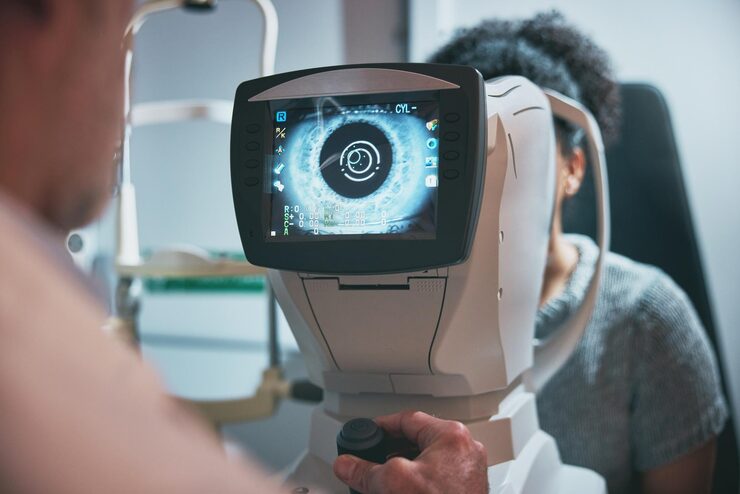
When you visit a cataract specialist, the doctor will examine your eyes and assess the cataract’s severity.
The evaluation may include:
Vision Testing
Your visual acuity is checked to understand how clearly you can see.
Slit Lamp Examination
The doctor examines the front and internal structures of the eye.
Dilated Eye Examination
The retina and other structures at the back of the eye may be examined after dilating the pupil.
Lens Measurements
If surgery is recommended, detailed measurements help determine the appropriate intraocular lens.
The specialist can then explain whether surgery is appropriate and what type of lens may suit your visual needs.
What About Cataract Pain After Surgery Bangalore Patients Should Watch For?
The most important thing is to distinguish mild postoperative discomfort from warning symptoms.
A slightly gritty or watery feeling may be part of normal healing. Severe pain, worsening redness, sudden reduction in vision, or significant discharge is different and should be assessed promptly.
Never increase, stop, or change your eye medicines without speaking to your eye doctor.
Frequently Asked Questions
1. Is cataract surgery painful?
Most patients experience little to no significant pain during cataract surgery because the eye is numbed with appropriate anaesthesia. You may feel pressure, touch, or mild discomfort.
2. How much pain should I expect after cataract surgery?
Mild irritation, watering, light sensitivity, or a slight ache can occur during early recovery. Significant or worsening pain is not considered typical and should be reported to your eye specialist.
3. How long does discomfort last after cataract surgery?
Minor discomfort generally improves as the eye heals. The exact recovery period varies between patients, so follow your surgeon’s postoperative instructions and attend scheduled checkups.
4. When should I see a Cataract Specialist in Bangalore?
You should consider an eye consultation when cataracts begin interfering with reading, driving, recognizing faces, working, or other everyday activities. You should also seek prompt medical attention if you develop sudden vision loss or severe eye pain.
5. What should I do if I have severe Cataract Pain After Surgery Bangalore?
Do not ignore severe or increasing pain after cataract surgery. Contact your operating surgeon or eye specialist promptly for an examination. If severe pain is accompanied by sudden vision loss, marked redness, or other serious symptoms, seek urgent eye care.
Final Takeaway
Before cataract surgery, it is completely understandable to feel anxious about pain. From a patient’s point of view, the reality is usually much less frightening than expected. The eye is carefully numbed, and most patients experience pressure, bright lights, or mild sensations rather than significant pain during surgery.
After surgery, mild irritation can be part of normal healing, but severe or worsening pain is not something to ignore. Understanding the difference between expected recovery symptoms and warning signs can help you seek medical attention at the right time.
If cataracts are affecting your everyday vision, a consultation with a Cataract Specialist in Bangalore can help determine whether surgery is appropriate and explain what you can expect before, during, and after the procedure.
Our experienced eye specialists are here to help you with comprehensive eye check-ups, cataract surgery, LASIK, and advanced eye treatments. Book your appointment today for trusted and personalized eye care.
Book a Consultation
It’s easy and free!