Why is one eye healing slower than the other after SMILE surgery? One eye may recover more slowly after SMILE surgery because corneal healing, tear film stability, inflammation and refractive correction can differ between the two eyes. Mild differences in visual clarity during early recovery are possible, even when both eyes undergo surgery on the …


Why is one eye healing slower than the other after SMILE surgery?
One eye may recover more slowly after SMILE surgery because corneal healing, tear film stability, inflammation and refractive correction can differ between the two eyes. Mild differences in visual clarity during early recovery are possible, even when both eyes undergo surgery on the same day. For patients researching SMILE surgery in Bannerghatta Road, understanding these differences can help them recognise expected healing changes and warning signs. At Kiran Eye Hospital, located in nearby JP Nagar, Dr. Kiran Kumar K and the ophthalmology team can assess postoperative vision concerns through clinical examinations.Why is one eye blurry while the other eye can see clearly?
Patients sometimes notice that one eye provides clearer distance vision while the other appears slightly hazy, especially when reading road signs or looking at digital screens. Possible causes include:- Temporary corneal swelling during healing.
- Differences in tear film stability between the eyes.
- Mild postoperative inflammation.
- Residual refractive error or astigmatism.
- Individual differences in corneal healing.
Can dry eyes cause blurry vision in only one eye after SMILE?
Yes. One eye blurry after SMILE surgery may sometimes be associated with an uneven tear film or postoperative dryness. The cornea contains sensory nerves that contribute to tear production and ocular surface regulation. Refractive surgery can temporarily affect some of these nerves. Patients may experience burning, mild irritation, fluctuating vision, a gritty sensation or discomfort while using screens. Dryness can affect one eye more noticeably than the other. Vision that briefly improves after blinking may suggest tear film instability, although this does not establish a diagnosis. An ophthalmologist may recommend prescribed lubricating eye drops or additional dry eye treatment after examination. Patients should avoid using unprescribed medications or changing their postoperative treatment independently.Can differences in corneal healing affect visual clarity?
Yes. Corneal recovery is a biological process, and the two eyes may not respond identically. During the early healing period, temporary swelling, tissue changes or inflammation may affect how light passes through the cornea. In some patients, one eye may take longer to achieve stable vision. Other factors, such as the original spectacle prescription, astigmatism and individual tissue response, can influence recovery. However, pronounced visual differences should not automatically be attributed to routine healing. Postoperative infection, inflammation or other complications must be ruled out when symptoms are concerning.How long can uneven vision last after SMILE surgery?
Visual improvement after SMILE surgery often begins within the first few days, but clarity can continue changing over subsequent weeks. Some patients notice temporary differences between the eyes during this period. The recovery timeline varies according to preoperative prescription, ocular surface health and individual healing. Rather than comparing both eyes repeatedly throughout the day, patients should follow their surgeon’s recovery instructions and attend scheduled reviews. If one eye remains significantly blurry, develops new symptoms or becomes worse after initially improving, prompt assessment is advisable.Which tests identify why one eye is recovering slowly?
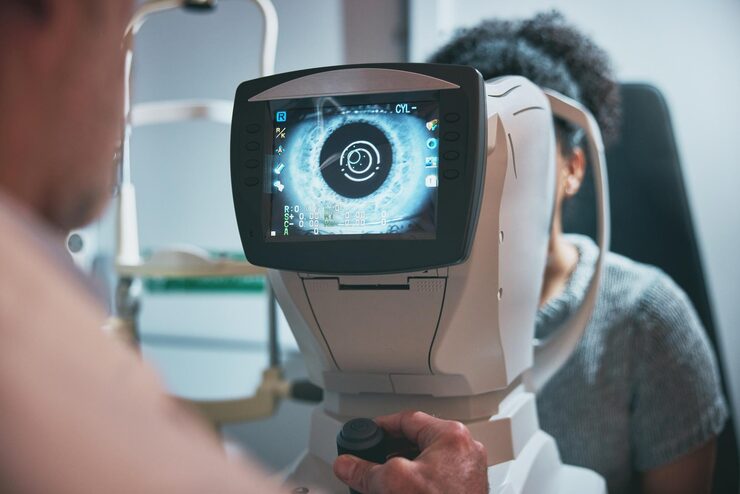
When postoperative vision remains uneven, an ophthalmologist may perform several investigations. Visual acuity testing: Measures how clearly each eye sees at different distances. Refraction testing: Checks whether residual myopia, astigmatism or another refractive error contributes to blurred vision. Slit-lamp examination: Evaluates the corneal surface, incision area and signs of inflammation. Corneal topography or tomography: Assesses corneal shape when irregular healing or other structural concerns are suspected. Tear film assessment: Helps identify dryness or ocular surface instability. Additional investigations depend on the symptoms and examination findings. These tests help distinguish temporary postoperative changes from conditions that require specific treatment.What treatment is recommended if one eye remains blurry?
Treatment depends on identifying the underlying cause. If dryness is contributing to fluctuating vision, the surgeon may recommend lubricating drops or appropriate ocular surface treatment. Mild postoperative inflammation may require prescribed medication and monitoring. If residual refractive error is present, glasses or other correction may be considered after vision stabilises. Further refractive surgery is not automatically necessary and should only be considered after adequate healing and a detailed assessment. Patients can learn more about the procedure through Kiran Eye Hospital’s SMILE surgery service page.When should I contact my eye surgeon about uneven recovery?
Contact your surgeon promptly if one eye develops increasing blur, worsening redness, significant light sensitivity, persistent discomfort or increasing pain. Seek urgent medical attention for sudden vision loss, severe eye pain, new flashes or floaters, or a dark shadow across the vision. These symptoms may indicate complications or an unrelated eye problem requiring urgent assessment. Even when recovery feels comfortable, scheduled follow-up appointments remain important.Where can patients near Bannerghatta Road discuss SMILE recovery concerns?
Patients looking for SMILE surgery in Bannerghatta Road can consider a postoperative eye evaluation at Kiran Eye Hospital, located at Vishnu Towers, ITI Layout, 1st Phase, JP Nagar, Bengaluru. Dr. Kiran Kumar K, Medical Director and Chief Surgeon, holds MBBS, MD (AIIMS, New Delhi), DNB, FAICO (Cornea), FAICO (Refractive Surgery) and MNAMS qualifications. His clinical expertise includes corneal and refractive surgery. An individual examination can help determine why one eye is recovering differently and whether observation, medication or further investigation is appropriate.Frequently Asked Questions About Uneven Recovery After SMILE Surgery
1. Is it normal for one eye to be blurrier than the other after SMILE surgery?
Mild differences in visual clarity can occur during early healing. However, significant, persistent or worsening blurring should be assessed by the treating ophthalmologist.2. Can one eye recover faster even if both eyes were operated on the same day?
Yes. Healing responses can vary between eyes because of differences in corneal tissue, tear film stability, inflammation and preoperative refractive errors.3. Does slower recovery mean that SMILE surgery has failed?
Not necessarily. Slower visual improvement does not automatically indicate an unsuccessful procedure. An examination is needed to identify the cause and assess whether additional treatment is required.4. Can screen use make blurry vision worse after SMILE surgery?
Prolonged screen use may contribute to dryness and fluctuating vision because blinking often decreases during concentrated viewing. Follow your surgeon’s advice regarding screen use, breaks and prescribed lubricants.5. Will both eyes eventually have the same vision after SMILE surgery?
Not necessarily. Many patients experience improvement as healing progresses, but final visual outcomes can differ between eyes. Residual prescription, corneal health and individual healing influence the result.Book a Consultation
It’s easy and free!