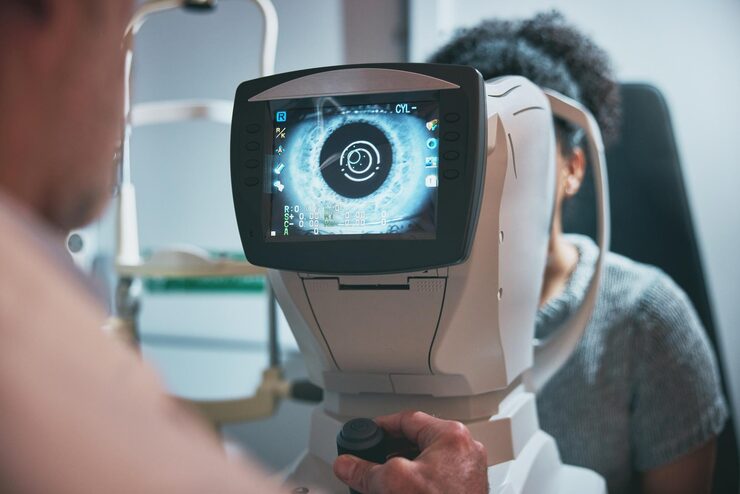
A suitable candidate for Implantable Collamer Lens (ICL) surgery is generally an adult with a stable spectacle prescription, healthy eyes, adequate space inside the eye and sufficient corneal endothelial cell density. It may be considered for patients with high myopia or those who are unsuitable for certain laser vision correction procedures. For people researching ICL …

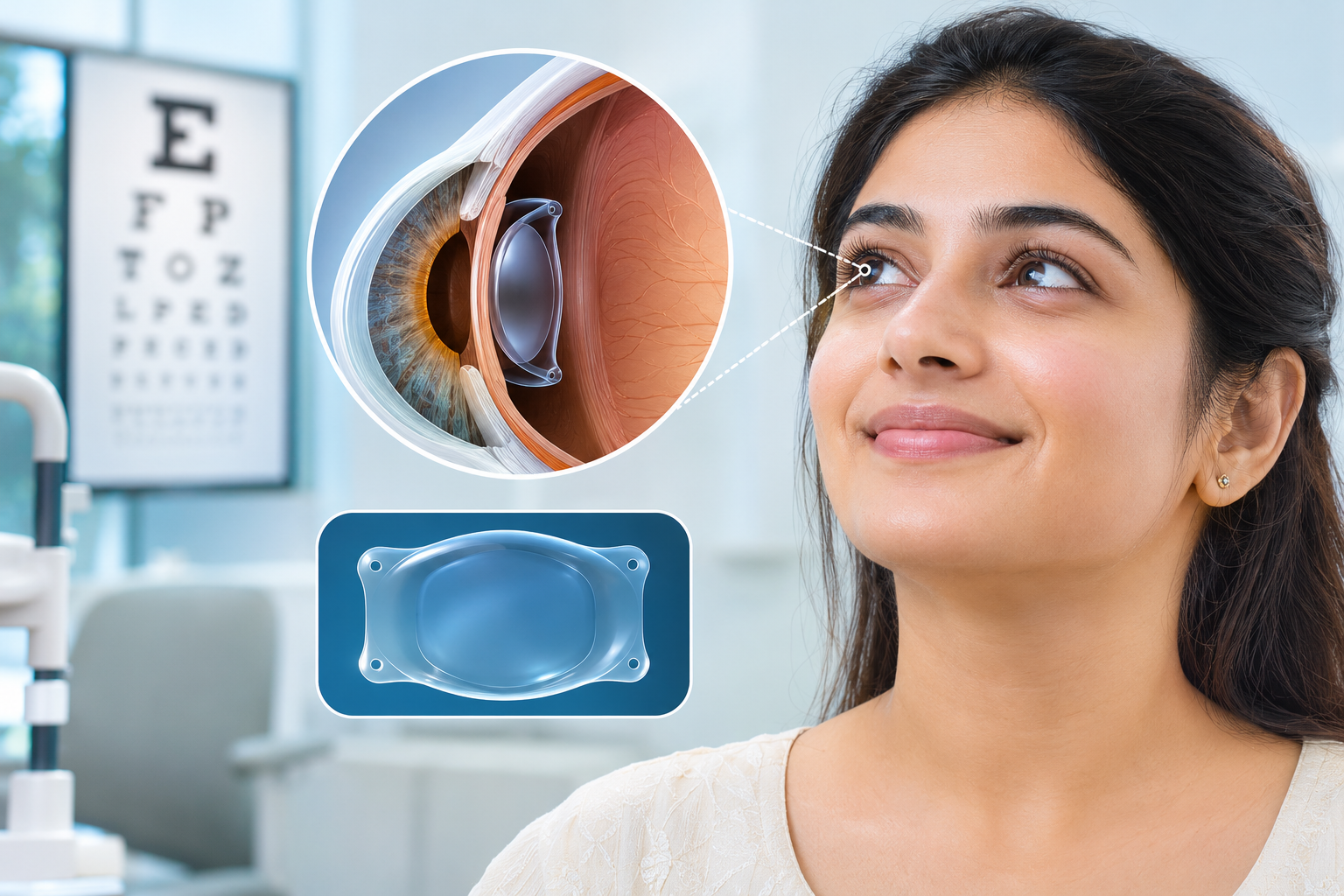
A suitable candidate for Implantable Collamer Lens (ICL) surgery is generally an adult with a stable spectacle prescription, healthy eyes, adequate space inside the eye and sufficient corneal endothelial cell density. It may be considered for patients with high myopia or those who are unsuitable for certain laser vision correction procedures.
For people researching ICL surgery in Jayanagar, eligibility depends on much more than spectacle power. Detailed eye measurements are essential before recommending treatment. At Kiran Eye Hospital, located in nearby JP Nagar, patients can undergo ophthalmic evaluation to understand whether an implantable lens is appropriate.
FDA+1
Why might someone with high spectacle power be advised to consider ICL?
Patients with high myopia often experience blurred distance vision without glasses. Common difficulties include reading distant signboards, recognising faces across a room or functioning comfortably without corrective lenses. Myopia occurs when light focuses in front of the retina, commonly because the eyeball is relatively elongated or the eye’s optical power is too strong. ICL surgery places a specially designed lens inside the eye while preserving the natural crystalline lens. Unlike LASIK, it does not require laser removal of corneal tissue. Patients with higher prescriptions may be considered for ICL when corneal laser treatment is unsuitable. However, the acceptable prescription range depends on the specific lens model and applicable clinical criteria.Can I qualify for ICL surgery if my corneas are too thin for LASIK?
Yes, some patients with thin corneas may be eligible for ICL even when LASIK is not recommended. LASIK reshapes the cornea by removing tissue, whereas ICL corrects refractive error using an implanted lens. However, thin corneas alone do not establish suitability. The surgeon must also assess eye anatomy, corneal health and the space available for the lens. Patients exploring alternatives can read more about LASIK surgery and PRK surgery. The appropriate option depends on individual examination findings.Does my age or changing eye power affect ICL eligibility?
Age and prescription stability are important considerations when evaluating ICL surgery eligibility. Many established phakic lens criteria apply to adults aged 21 or older, although approved age ranges vary by lens and country. A spectacle prescription that continues changing may indicate refractive instability. Surgery is generally deferred until the prescription has remained sufficiently stable. Pregnancy, breastfeeding, certain medications and poorly controlled medical conditions can influence refractive measurements. Older patients may also need assessment for early cataracts or age-related changes in focusing ability. The surgeon considers these factors before deciding whether an implantable lens is appropriate. FDAWhich tests determine whether my eyes have enough space for ICL?
An ICL evaluation involves more than a routine spectacle test. Important investigations include:- Refraction testing: Measures the degree of myopia and astigmatism.
- Anterior chamber depth measurement: Assesses the space between structures at the front of the eye.
- Endothelial cell count: Evaluates cells responsible for maintaining corneal clarity.
- Corneal topography: Examines corneal shape and identifies irregularities.
- Eye pressure measurement: Screens for elevated intraocular pressure.
- Retinal examination: Checks for retinal abnormalities, particularly in highly myopic eyes.
- Lens-sizing measurements: Help select appropriate implant dimensions.
Can glaucoma, cataracts or retinal problems make ICL unsuitable?
Certain existing eye conditions can affect eligibility. Patients with glaucoma, uncontrolled eye pressure, significant cataracts, recurrent inflammation or retinal disease may require alternative management. For example, implantation can influence intraocular pressure and may increase the risk of cataract formation. Patients with high myopia may also have retinal abnormalities requiring assessment. These findings do not have identical implications for every patient, but they require careful evaluation. An ophthalmologist may recommend treating an existing condition, postponing surgery or choosing a different vision correction approach. FDAIs ICL surgery suitable if I experience dry eyes or contact lens discomfort?
Some patients explore ICL because they experience persistent contact lens discomfort or have been advised against laser vision correction. Dry eyes may cause burning, irritation, fluctuating vision and difficulty wearing contact lenses for extended periods. Because ICL does not reshape the corneal surface, it may be considered for selected patients with dry eye concerns. However, it is not a treatment for dry eye disease. Conditions affecting the tear film or ocular surface should be evaluated and managed before elective surgery.What happens if I am not eligible for implantable lens surgery?
If screening identifies unsuitable eye anatomy or other risk factors, the ophthalmologist may recommend alternatives. These may include updated spectacles, appropriate contact lenses, management of an existing eye condition or another refractive procedure when clinically suitable. Patients can also review the hospital’s ICL/IPCL surgery service to understand how implantable lens procedures differ from corneal laser treatments. ICL is not a guaranteed permanent solution. Potential complications include elevated eye pressure, cataract formation, infection, glare, endothelial cell loss and the possible need for additional surgery. Regular postoperative monitoring is important. FDA+1When should I consult an eye specialist about high myopia?
Patients with high spectacle power, frequently changing prescriptions or difficulty tolerating contact lenses should arrange a comprehensive eye examination. People with significant myopia should also be attentive to retinal warning signs. Seek urgent medical attention if you experience sudden flashes of light, a sudden increase in floaters, a dark curtain across your vision or sudden loss of sight. These symptoms can indicate serious retinal problems and should not be treated as routine refractive errors.Where can patients from Jayanagar undergo ICL suitability assessment?
Patients considering ICL surgery in Jayanagar can seek a refractive surgery evaluation at Kiran Eye Hospital, situated in nearby JP Nagar, Bengaluru. Dr. Kiran Kumar K, Medical Director and Chief Surgeon, holds MBBS, MD (AIIMS, New Delhi), DNB, FAICO (Cornea), FAICO (Refractive Surgery) and MNAMS qualifications. His published profile identifies corneal and refractive surgery among his areas of expertise. Kiran Eye Hospital A consultation with Dr. Kiran Kumar K or the hospital’s ophthalmology team can help patients understand their examination findings, available treatment options and potential risks. The purpose of screening is to determine whether surgery is medically appropriate—not simply whether a patient’s spectacle prescription can be corrected.Frequently Asked Questions About ICL Surgery
1. Can I undergo ICL surgery if my eye power is very high?
Possibly. ICL may be considered for selected patients with high myopia, provided their eye anatomy, prescription and overall eye health meet the requirements of the chosen lens.2. Is ICL surgery possible after the age of 40?
It may be possible in selected patients. Age-related changes, early cataracts and the natural lens’s focusing ability must be evaluated. Eligibility also depends on the approved age range of the implant.3. Can ICL surgery correct astigmatism along with myopia?
Yes. Certain toric ICL models can correct myopia and astigmatism together. Suitability depends on prescription measurements, available lens models and the patient’s eye anatomy.4. Will I still need glasses after ICL surgery?
Some patients may still require glasses for particular activities or residual refractive errors. Reading glasses may become necessary with age because ICL does not prevent presbyopia.5. Can an ICL lens be removed if needed?
An ICL can be surgically removed or exchanged when medically indicated. However, removal is another intraocular procedure with risks, and it does not guarantee restoration of the eye to its original condition.Book a Consultation
It’s easy and free!