Can SMILE Surgery Affect Corneal Sensation? Understanding Nerve Changes and Recovery SMILE surgery corneal sensation is an important topic for people considering laser vision correction. Yes, SMILE surgery can temporarily reduce corneal sensitivity because the procedure affects some of the tiny nerves within the cornea. However, SMILE uses a small incision instead of creating a …

Can SMILE Surgery Affect Corneal Sensation? Understanding Nerve Changes and Recovery
SMILE surgery corneal sensation is an important topic for people considering laser vision correction. Yes, SMILE surgery can temporarily reduce corneal sensitivity because the procedure affects some of the tiny nerves within the cornea. However, SMILE uses a small incision instead of creating a large corneal flap, which may help preserve more corneal nerves compared with LASIK. At Kiran Eye Hospital, patients can discuss these potential changes with Dr. Kiran Kumar K, Medical Director and Chief Surgeon, before deciding whether the procedure is suitable for their eyes.What Is Corneal Sensation and Why Is It Important?
Corneal sensation refers to the ability of the cornea, the transparent front surface of the eye, to detect touch, irritation and other external stimuli. The cornea contains numerous microscopic nerve fibres that perform several important functions:- Detect foreign particles, dust and potential eye injuries.
- Trigger blinking to protect the eye.
- Help regulate tear production.
- Maintain the health of the corneal surface.
- Support the natural healing process after minor surface injuries.
How Does SMILE Surgery Affect Corneal Nerves?
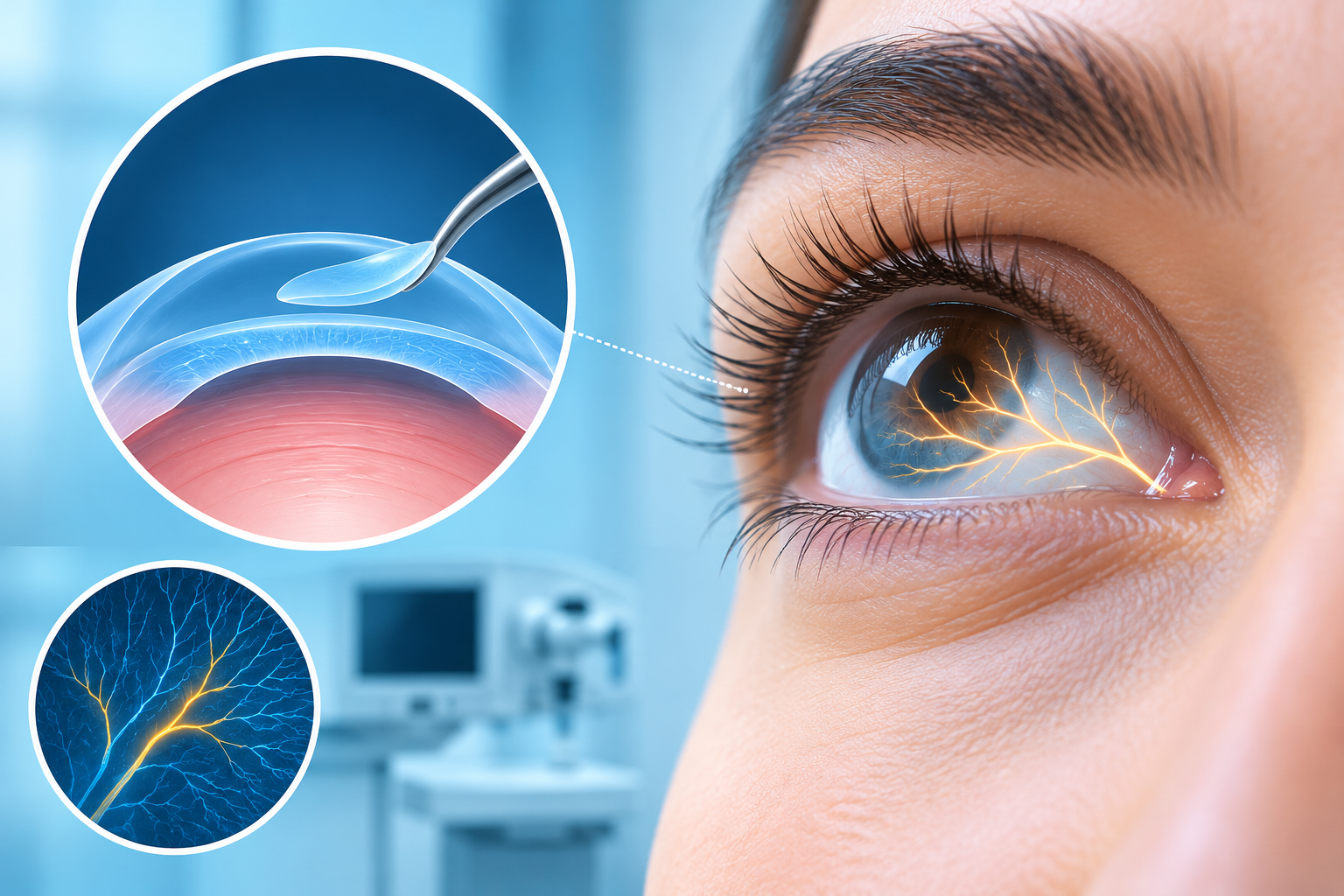
SMILE (Small Incision Lenticule Extraction) is a laser vision correction procedure commonly used to treat myopia and certain cases of astigmatism. During the procedure, a femtosecond laser creates a small disc-shaped tissue layer called a lenticule inside the cornea. The surgeon removes this tissue through a small incision, changing the corneal shape to correct the refractive error. Although SMILE does not involve creating a LASIK-style corneal flap, the laser treatment and tissue removal can still affect some corneal nerve fibres. This may temporarily reduce corneal sensitivity. Research suggests that SMILE generally causes less early corneal nerve disruption than femtosecond LASIK, although individual recovery varies. Patients can learn more about the procedure through the hospital’s SMILE Surgery service.What Symptoms Can Occur When Corneal Sensitivity Decreases After SMILE?
Not every patient experiences noticeable symptoms after surgery. However, changes in corneal sensitivity and tear film function may contribute to temporary ocular discomfort. Some possible symptoms include:- Dryness: The eyes may feel less lubricated than usual.
- Grittiness: A sensation similar to having dust or sand in the eyes.
- Mild irritation: Some patients may experience discomfort or a foreign-body sensation.
- Fluctuating vision: Temporary tear film instability can cause vision to appear unclear at times.
- Light sensitivity: Some patients may experience increased sensitivity to bright light during early recovery.
Why Does Corneal Sensation Change After SMILE Surgery?
The cornea contains nerve networks that help maintain normal surface function. During SMILE, some of these nerve pathways may be affected by laser treatment and the creation of the small incision. Several factors can influence postoperative corneal sensitivity:- Temporary nerve disruption
- Changes in tear production
- Pre-existing dry eye
- Individual healing differences
How Long Does Corneal Sensitivity Take to Recover After SMILE?
One common concern among patients is whether reduced corneal sensation will become permanent. In many cases, corneal sensitivity gradually improves as the affected nerve fibres recover. However, the recovery period differs between individuals. Clinical studies have reported improvement in corneal sensitivity over the first few months following SMILE surgery. A prospective study comparing SMILE and LASIK found that measured corneal sensitivity in both groups had returned to baseline by the 12-month assessment. This does not mean every patient follows the same recovery timeline. Some may recover earlier, while others may require additional monitoring and treatment for persistent dry eye or ocular surface problems. Regular postoperative examinations help the ophthalmologist assess healing rather than relying only on how the eyes feel.How Do Doctors Check Corneal Sensitivity After SMILE Surgery?
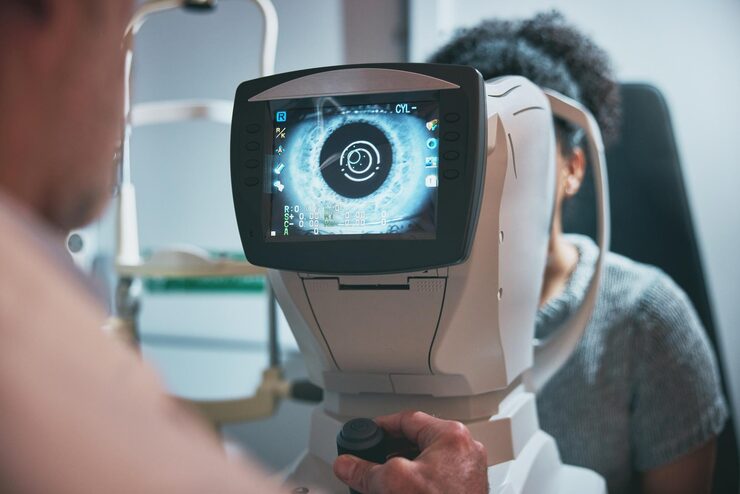
An ophthalmologist may recommend different tests depending on the patient’s symptoms and examination findings. Common assessments include:- Corneal sensitivity testing: A Cochet-Bonnet esthesiometer may be used to assess how the cornea responds to gentle mechanical stimulation.
- Tear Break-Up Time (TBUT): Evaluates how quickly the tear film becomes unstable after blinking.
- Schirmer test: Measures tear production using a small testing strip.
- Corneal staining examination: Uses fluorescein dye to identify damage or irregularities on the corneal surface.
- Slit-lamp examination: Helps examine the cornea, tear film and other structures at the front of the eye.
Can Dry Eye Be Managed After SMILE Surgery?
Yes. Postoperative dry eye can often be managed with an appropriate treatment plan based on the underlying cause and severity. Depending on the examination findings, an ophthalmologist may recommend:- Preservative-free lubricating eye drops.
- Prescribed anti-inflammatory eye drops when indicated.
- Treatment for eyelid or meibomian gland dysfunction.
- Additional dry eye therapies for persistent symptoms.
- Regular follow-up examinations to monitor the ocular surface.
When Should You Consult an Eye Doctor After SMILE Surgery?
Mild watering, irritation or light sensitivity may occur during early recovery. However, certain symptoms should not be ignored. Seek prompt ophthalmic evaluation if you experience:- Increasing eye pain rather than gradual improvement.
- Sudden or significant reduction in vision.
- Increasing redness or discharge.
- Severe light sensitivity.
- Persistent irritation or dryness that does not improve with prescribed treatment.
- An eye injury or foreign body entering the operated eye.
What Should You Know Before Choosing SMILE Surgery?
Understanding how SMILE affects corneal nerves can help patients make informed decisions about refractive surgery. Although the procedure uses a small incision and may preserve more corneal nerve function than LASIK during early recovery, it does not eliminate the possibility of temporary corneal sensitivity changes or dry eye. A detailed preoperative assessment is important to evaluate corneal thickness, corneal shape, refractive error and tear film health. At Kiran Eye Hospital, Dr. Kiran Kumar K, Medical Director and Chief Surgeon (MBBS, MD – AIIMS New Delhi, DNB, FAICO – Cornea, FAICO – Refractive Surgery, MNAMS), is listed as having qualifications in cornea and refractive surgery. Patients considering SMILE surgery corneal sensation changes can discuss their individual eye health, surgical suitability and postoperative monitoring requirements during an ophthalmology consultation.Frequently Asked Questions
1. Does SMILE surgery permanently damage corneal nerves?
SMILE surgery can affect some corneal nerve fibres, but sensitivity often improves gradually during recovery. Permanent changes are not expected in every patient, and individual outcomes vary.2. Is reduced corneal sensitivity after SMILE surgery dangerous?
Temporary reduction in sensitivity is a recognised postoperative change. However, significantly reduced sensation may make it harder to recognise surface irritation or injury. Follow-up examinations are important to monitor corneal health.3. Does SMILE surgery cause dry eyes?
Some patients experience temporary dry eye symptoms after SMILE surgery. This may be related to changes in corneal nerve function and tear film stability. Pre-existing dry eye can also influence recovery.4. Is corneal sensitivity better preserved in SMILE than LASIK?
Research suggests that SMILE may preserve more corneal sensitivity during the early postoperative period because it does not require a large corneal flap. However, differences may become smaller as nerve recovery progresses.5. How can I protect my eyes after SMILE surgery?
Follow your surgeon’s instructions, use prescribed eye drops, avoid rubbing your eyes, protect your eyes from potential injury and attend scheduled follow-up appointments.Book a Consultation
It’s easy and free!