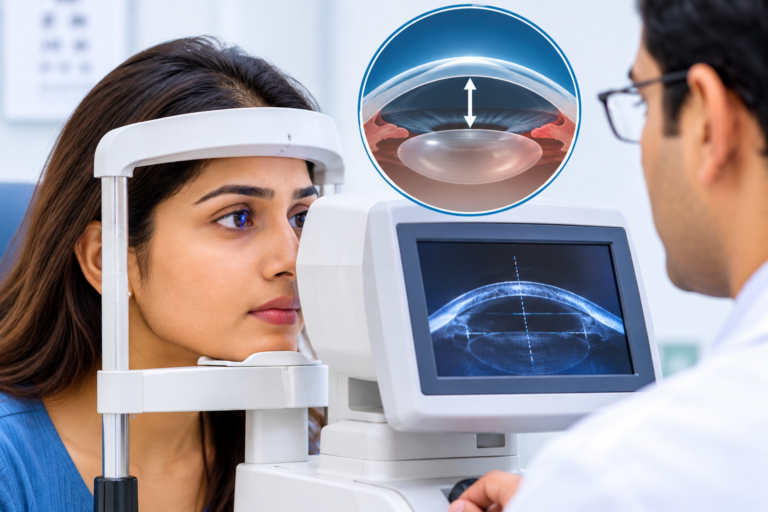
SMILE surgery is a laser vision correction procedure used to treat nearsightedness and certain types of astigmatism. Although many patients experience a gradual improvement in vision after surgery, some may notice unexpected symptoms during recovery. Knowing the difference between normal healing and possible complications is important. Patients undergoing SMILE surgery in JP Nagar should understand …


SMILE surgery is a laser vision correction procedure used to treat nearsightedness and certain types of astigmatism. Although many patients experience a gradual improvement in vision after surgery, some may notice unexpected symptoms during recovery. Knowing the difference between normal healing and possible complications is important. Patients undergoing SMILE surgery in JP Nagar should understand warning signs such as increasing eye pain, worsening redness, sudden blurred vision, unusual discharge and persistent light sensitivity. Early evaluation by an ophthalmologist can help identify problems and determine the appropriate treatment.
Is Blurred Vision Normal After SMILE Surgery?
Some degree of blurred or fluctuating vision can occur during the initial recovery period. The cornea needs time to heal, and visual clarity may improve gradually over the following days and weeks.
However, patients should pay attention to how their vision changes.
Temporary fluctuations may occur, but worsening vision, a sudden reduction in clarity or persistent blurring should not be ignored.
Possible reasons include:
- Incomplete correction of the refractive error.
- Dry eye disease affecting the tear film.
- Corneal inflammation.
- Irregular corneal healing.
- Infection affecting the cornea.
An ophthalmologist may perform a vision assessment and examine the corneal surface to identify the cause.
What Are the Common SMILE Surgery Complications Symptoms?
Recognising SMILE surgery complications symptoms helps patients understand when they may need additional medical attention.
Not every symptom indicates a serious complication. However, certain changes require prompt assessment.
1. Increasing Eye Pain or Discomfort
Mild irritation or a scratchy sensation may occur shortly after surgery. However, pain that becomes stronger rather than gradually improving requires attention.
Possible causes include corneal inflammation, surface damage or infection.
Contact your eye surgeon if discomfort increases, becomes persistent or affects your ability to keep the eye open.
2. Persistent Redness and Eye Irritation
Some redness may occur during the healing process. However, increasing redness accompanied by pain, watering or reduced vision should be examined.
Possible causes include inflammation, infection or irritation of the ocular surface.
Avoid rubbing the operated eye or using non-prescribed eye drops.
3. Excessive Dryness and Burning Sensation
Dryness is a recognised side effect following refractive surgery, including SMILE.
Patients may experience:
- A gritty or sandy sensation.
- Burning or stinging.
- Frequent blinking.
- Intermittent blurred vision.
- Discomfort while using digital screens.
An ophthalmologist may recommend lubricating eye drops or other dry eye treatments depending on the examination findings.
4. Increased Sensitivity to Light
Temporary light sensitivity can occur during recovery. However, significant or worsening sensitivity, particularly when accompanied by pain or redness, needs medical assessment.
Corneal inflammation or infection may sometimes cause these symptoms.
Patients should avoid prolonged exposure to bright light if it causes discomfort and follow their surgeon’s advice regarding protective eyewear.
5. Glare, Halos and Difficulty Seeing at Night
Some patients notice halos, starbursts or glare around headlights and other bright lights after SMILE surgery.
These visual disturbances may reduce gradually as the eyes heal. Persistent or worsening symptoms should be discussed during follow-up appointments.
An eye examination can help determine whether the symptoms are related to refractive changes, tear film problems or other corneal conditions.
Can an Eye Infection Develop After SMILE Surgery?
Although uncommon, infection is a possible complication following any surgical procedure involving the cornea.
Patients should watch for:
- Increasing eye redness.
- Moderate to severe eye pain.
- Unusual discharge.
- Excessive watering.
- Worsening blurred vision.
- Significant light sensitivity.
These symptoms may indicate an infection or another inflammatory condition.
If an infection is suspected, prompt ophthalmic assessment is important. Treatment may involve prescribed antimicrobial eye drops or other medical intervention depending on the diagnosis.
Do not use leftover antibiotic or steroid eye drops without medical advice.
Why Do Some Patients Experience Problems After SMILE Surgery?
Recovery varies between individuals. Several factors may influence healing and the development of postoperative symptoms.
Pre-existing dry eye: Patients with an existing tear film problem may experience more dryness or irritation after surgery.
Corneal conditions: An underlying corneal abnormality may affect healing and visual outcomes.
Incomplete correction: Some patients may have residual refractive errors that affect their visual clarity.
Postoperative infection or inflammation: These conditions may develop after surgery and require appropriate treatment.
Failure to follow postoperative instructions: Rubbing the eyes, missing prescribed medication or skipping follow-up examinations may interfere with recovery.
These factors do not mean that every patient will develop complications. Individual evaluation is necessary to understand the cause of any symptoms.
How Are Complications After SMILE Surgery Diagnosed?
When a patient reports unexpected symptoms, an ophthalmologist may recommend a detailed examination based on the clinical findings.
Common assessments include:
- Visual acuity testing: Checks how clearly the patient can see and whether vision has changed after surgery.
- Slit-lamp examination: Allows the doctor to examine the cornea and identify signs of inflammation, infection or surface damage.
- Corneal evaluation: Helps assess corneal healing and identify irregularities.
- Refraction testing: Checks for any remaining refractive error.
- Tear film assessment: Evaluates dryness and tear film stability.
Additional investigations may be required if the examination suggests a specific corneal or other eye condition.
When Should You Consult an Eye Specialist After SMILE Surgery?
Patients should not wait for their next scheduled appointment if they experience concerning changes.
Seek urgent ophthalmic attention if you notice:
- Sudden reduction or loss of vision.
- Severe or increasing eye pain.
- Significant redness with pain.
- New discharge from the operated eye.
- Marked light sensitivity.
- Rapidly worsening blurred vision.
Even if symptoms appear mild, persistent or unusual changes should be reported to the treating ophthalmologist.
Do not stop prescribed medication or change the dosage without consulting your doctor.
How Can You Support Recovery After SMILE Surgery?
Following postoperative instructions is an important part of recovery.
Patients are generally advised to:
- Use prescribed eye drops according to the doctor’s instructions.
- Avoid rubbing or pressing the operated eyes.
- Attend all scheduled follow-up appointments.
- Avoid swimming until permitted by the surgeon.
- Protect the eyes from dust and accidental injury.
- Take breaks during prolonged screen use.
- Report unusual symptoms without delay.
The recovery plan may differ depending on the patient’s eye condition and surgical findings.
Where Can You Get SMILE Surgery Evaluation in JP Nagar?
Patients experiencing unexpected symptoms after vision correction surgery can seek an ophthalmic evaluation at Kiran Eye Hospital, JP Nagar, Bangalore.
Dr. Kiran Kumar K, Medical Director and Chief Surgeon at Kiran Eye Hospital, has qualifications including MBBS, MD (AIIMS, New Delhi), DNB, FAICO (Cornea), FAICO (Refractive Surgery) and MNAMS. His documented areas of expertise include corneal conditions, refractive surgery, LASIK, PRK and SMILE procedures.
Patients considering SMILE surgery in JP Nagar or experiencing concerns following the procedure can discuss their symptoms and undergo an appropriate eye examination.
For more information, visit the hospital’s SMILE Surgery service page or Dr. Kiran Kumar’s profile.
Hospital: Kiran Eye Hospital
Location: 20, Ground Floor, Vishnu Towers, ITI Layout, 1st Phase, JP Nagar, Bengaluru, Karnataka 560078.
Contact: +91 81056 81057
Frequently Asked Questions
1. How long does blurred vision last after SMILE surgery?
Blurred vision may occur initially and generally improves as the eyes heal. The recovery period varies between individuals. Persistent or worsening blurring requires an ophthalmic examination.
2. Is eye pain normal after SMILE surgery?
Mild discomfort may occur shortly after surgery. However, severe, persistent or increasing pain is not something patients should ignore. Contact your treating ophthalmologist promptly.
3. Can SMILE surgery cause dry eyes?
Yes. Some patients experience temporary dry eye symptoms following SMILE surgery. Lubricating eye drops and other treatments may be recommended depending on the severity.
4. What are the signs of infection after SMILE surgery?
Increasing redness, eye pain, unusual discharge, excessive watering, light sensitivity and worsening vision may indicate infection or inflammation. These symptoms require prompt medical evaluation.
5. When should I attend a follow-up appointment after SMILE surgery?
Follow the schedule provided by your surgeon. Attend all recommended visits, even if your vision feels comfortable. If unexpected symptoms develop between appointments, contact the hospital rather than waiting for the next scheduled review.
Book a Consultation
It’s easy and free!