Being told that you have a cataract can leave you with more questions than answers. Do I need surgery immediately? Which type of cataract surgery is right for me? What lens should I choose? How long will recovery take? And how do I find the right surgeon? These are common concerns. Cataract treatment is not …


Being told that you have a cataract can leave you with more questions than answers.
Do I need surgery immediately? Which type of cataract surgery is right for me? What lens should I choose? How long will recovery take? And how do I find the right surgeon?
These are common concerns. Cataract treatment is not simply about removing a cloudy lens. The right approach depends on how much your vision is affected, the health of your eyes, your lifestyle and your individual visual needs.
If you are considering Cataract Surgery in Bangalore, understanding the treatment journey can help you have a more informed discussion with your ophthalmologist.
At Kiran Eye Hospital, cataract care is provided by ophthalmologists including Dr. Kiran Kumar K, Medical Director & Chief Surgeon, who holds MBBS, MD from AIIMS New Delhi, DNB, FAICO in Cornea, FAICO in Refractive Surgery and MNAMS qualifications, with 14+ years of experience.
How Do You Choose the Right Cataract Treatment?
The right cataract treatment depends on the severity of the cataract, how much it affects your daily activities, your overall eye health, and your visual goals. During an eye examination, your ophthalmologist can assess the cataract and discuss the appropriate surgical technique and intraocular lens (IOL) based on your individual needs.
There is no single lens or surgical option that is ideal for every patient.
When Is It Time to Consider Cataract Surgery?
A cataract develops when the natural lens inside the eye becomes cloudy, gradually affecting the quality of vision. Patients may initially notice small changes, such as blurred vision or difficulty seeing at night, before these symptoms begin interfering with everyday activities.
You may need to discuss cataract surgery with an ophthalmologist if you experience:
- Increasingly blurred vision
- Difficulty reading or recognising faces
- Difficulty driving, especially at night
- Increased glare from headlights
- Faded or dull-looking colours
- Frequent changes in your glasses prescription
- Difficulty performing routine activities because of poor vision
The decision should not be based on age alone. Your doctor will consider how cataracts are affecting your vision and quality of life.
What Happens During a Cataract Evaluation?
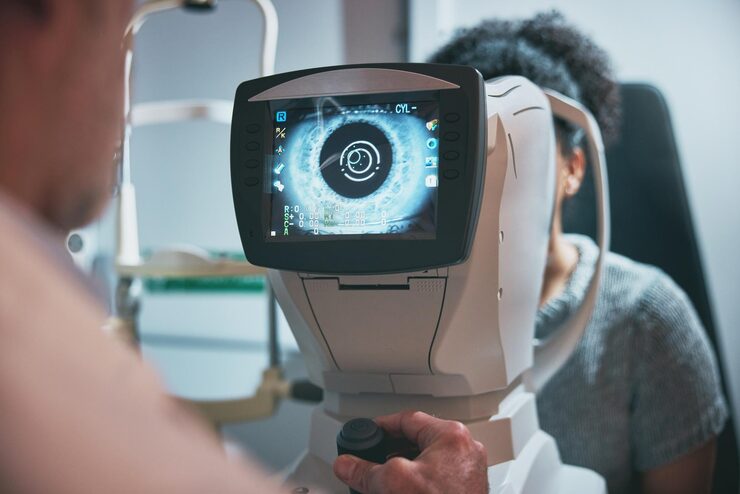
Before recommending surgery, your ophthalmologist will perform a comprehensive eye examination.
The evaluation may include checking your visual acuity, examining the cataract and assessing other structures of the eye. Your doctor may also perform measurements required for selecting the appropriate intraocular lens.
This step is important because not every vision problem in a person with cataract is necessarily caused by the cataract itself. Conditions affecting the cornea, retina, optic nerve or other parts of the eye can also influence vision.
Identifying these conditions before surgery helps your surgeon develop an appropriate treatment plan.
What Cataract Surgery Options Are Available?
Modern cataract surgery involves removing the cloudy natural lens and replacing it with an artificial intraocular lens.
The exact technique recommended depends on the patient’s eye condition and the surgeon’s assessment.
Kiran Eye Hospital states that it offers advanced cataract surgery using contemporary techniques to remove the cloudy lens and replace it with an artificial lens.
Some patients may also be candidates for laser-assisted cataract procedures. However, whether a particular technique is suitable depends on the individual’s eye health and clinical assessment.
The important question is not simply:
“Which surgery is the most advanced?”
Instead, ask:
“Which procedure is appropriate for my eyes?”
How Do You Choose the Right Intraocular Lens?
Choosing an intraocular lens is an important part of cataract planning.
Different IOL options can provide different visual outcomes and may be designed to address different visual needs.
Your ophthalmologist may consider:
- Your current vision
- Whether you have astigmatism
- Your reading and computer-use requirements
- Whether you regularly drive at night
- Your preference regarding glasses
- The health of your cornea and retina
- Other existing eye conditions
A lens that works well for one patient may not be the best choice for another.
This is why patients should avoid choosing an IOL based solely on recommendations from friends, online advertisements or price comparisons.
A detailed discussion with your surgeon is more useful.
What Should You Ask Your Cataract Surgeon?
If you are planning Cataract Surgery Treatment in Bangalore, consider asking your ophthalmologist:
Do I need surgery now?
If your cataract is not significantly affecting your daily activities, your doctor may discuss monitoring. The timing should be based on your individual condition.
Which lens is suitable for me?
Ask why a particular IOL has been recommended and what type of vision you may reasonably expect.
Do I have any other eye conditions?
Conditions involving the retina, glaucoma, cornea or optic nerve may affect the overall visual outcome.
What are the possible risks?
Every surgical procedure has potential risks. Your ophthalmologist should explain the relevant risks and benefits based on your individual health.
What will recovery involve?
Ask about medications, follow-up visits, activity restrictions and when you may resume normal activities.
What Is Recovery Like After Cataract Surgery?
Cataract surgery is commonly performed as a day-care procedure, but recovery varies from person to person.
You may experience some temporary changes after surgery, such as mild discomfort, watering or blurred vision while the eye settles.
Your surgeon will provide specific instructions regarding:
- Eye drops
- Follow-up examinations
- Protecting the eye
- Physical activities
- Driving
- Returning to work
Follow your surgeon’s instructions rather than comparing your recovery with someone else’s experience.
Kiran Eye Hospital describes its cataract care journey as including consultation, personalised treatment planning, surgery and follow-up care.
Why Choosing the Right Eye Surgeon Matters
Cataract surgery is a highly individualised procedure. The quality of your pre-operative evaluation, lens selection, surgical planning and post-operative care all matter.
When searching for an Experienced Eye Surgeon in Bangalore, look beyond promotional claims. Consider the surgeon’s qualifications, specialist training, experience, areas of expertise and approach to patient counselling.
Dr. Kiran Kumar K is the Medical Director & Chief Surgeon at Kiran Eye Hospital. His listed qualifications include MBBS, MD (AIIMS, New Delhi), DNB, FAICO (Cornea), FAICO (Refractive Surgery) and MNAMS, with 14+ years of practice. His profile lists cataract, cornea, refractive surgery and ocular oncology among his areas of expertise.
Doctor’s Advice
A cataract diagnosis does not mean you have to make a rushed decision.
Start with a comprehensive eye examination. Understand how much the cataract is affecting your daily life, find out whether you have other eye conditions, and discuss the available surgical and lens options with your ophthalmologist.
Most importantly, don’t choose a procedure or lens simply because it is advertised as the newest or most advanced option. The best treatment plan is the one that is appropriate for your eyes, health and visual requirements.
About Kiran Eye Hospital
Kiran Eye Hospital is based in JP Nagar, Bengaluru, and provides comprehensive ophthalmic care including cataract surgery, LASIK, SMILE, glaucoma, retina and other specialised eye services. The hospital’s doctors include Dr. Kiran Kumar K and Dr. Vandana M Kiran.
For patients exploring Cataract Surgery in Bangalore, a consultation can help determine whether surgery is appropriate and which treatment approach may suit their individual visual needs.
Frequently Asked Questions
1. When should I consider cataract surgery?
Cataract surgery is generally considered when the cataract causes enough vision problems to interfere with daily activities or quality of life. Your ophthalmologist can assess whether it is the right time for surgery.
2. How do I choose the right lens for cataract surgery?
The choice depends on factors such as your eye health, visual requirements, astigmatism, lifestyle and preference regarding glasses. Your surgeon can recommend an appropriate IOL after a detailed evaluation.
3. Is cataract surgery painful?
Cataract surgery is commonly performed using anaesthesia to minimise discomfort. Your surgeon will explain the anaesthesia and what you can expect during the procedure.
4. How long does it take to recover from cataract surgery?
Recovery varies between individuals. Your surgeon will provide personalised instructions and let you know when you can safely return to activities such as driving, work and exercise.
5. How do I choose a cataract surgeon in Bangalore?
Look at the ophthalmologist’s qualifications, specialist training, experience, cataract expertise, surgical approach and the quality of pre- and post-operative care. A consultation is the best way to understand whether the surgeon and treatment plan are appropriate for you.
Book a Cataract Consultation in Bangalore
If cataract-related vision changes are affecting your reading, driving, work or everyday activities, a comprehensive eye examination can help you understand your treatment options.
Kiran Eye Hospital
JP Nagar, Bengaluru
Phone: +91 8105681057
Book a Consultation
It’s easy and free!