Many patients are surprised when an ophthalmologist recommends a retina scan even though they have no vision problems. A common response is, "My eyesight is perfectly fine. Why do I need this test?" The answer is simple: many serious eye diseases begin silently. Conditions affecting the retina often develop without causing pain or noticeable vision …


Many patients are surprised when an ophthalmologist recommends a retina scan even though they have no vision problems. A common response is, “My eyesight is perfectly fine. Why do I need this test?”
The answer is simple: many serious eye diseases begin silently. Conditions affecting the retina often develop without causing pain or noticeable vision changes in their early stages. By the time symptoms appear, permanent damage may have already occurred.
A retina scan allows an eye specialist to detect hidden eye diseases before they affect your vision. If you are looking for a Retina Specialist Doctor in Bangalore, understanding the importance of this advanced diagnostic test can help you protect your eyesight for years to come.
At Kiran Eye Hospital, comprehensive retinal evaluation is performed using advanced imaging technology, helping patients receive timely diagnosis and personalized treatment plans for retinal disorders, diabetic eye disease, macular degeneration, retinal tears, and other vision-threatening conditions.
What Is the Retina and Why Is It So Important?
The retina is a thin, light-sensitive layer located at the back of the eye. It captures light entering the eye and converts it into signals that travel to the brain, allowing you to see clearly.
Even a small problem in the retina can significantly affect your vision if left untreated.
Unlike many other parts of the body, the retina cannot always repair itself once severe damage occurs. That is why early diagnosis is essential.
What Is a Retina Scan?
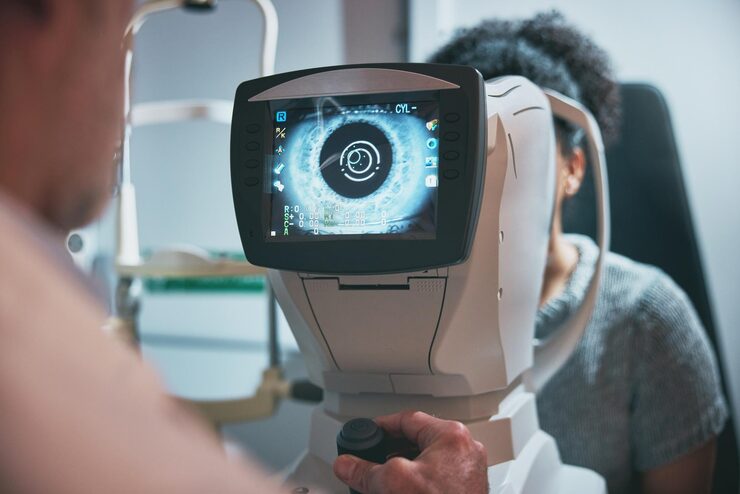
A retina scan is a painless imaging test that allows your eye doctor to examine the back of your eye in great detail.
Modern retinal imaging provides high-resolution images of the retina, optic nerve, macula, and blood vessels. These images help detect diseases long before they cause symptoms.
Depending on your condition, your ophthalmologist may recommend:
Optical Coherence Tomography (OCT)
Produces detailed cross-sectional images of the retina.
Fundus Photography
Captures high-quality photographs of the retina for documentation and monitoring.
Retinal Examination After Dilatation
Allows the doctor to examine the retina thoroughly using specialized lenses.
These tests are quick, safe, and do not require hospitalization.
Why Would I Need a Retina Scan If My Vision Is Normal?
This is one of the most frequently asked questions by patients.
Several serious eye diseases develop silently without affecting vision initially.
A retina scan helps detect:
Diabetic Retinopathy
People with diabetes may develop retinal damage even when their eyesight appears normal.
Glaucoma
Damage to the optic nerve may occur before noticeable vision loss.
Age Related Macular Degeneration
Early macular changes can be identified before central vision is affected.
Retinal Tears
Small retinal tears may progress into retinal detachment if left untreated.
High Blood Pressure Related Eye Changes
Hypertension can damage retinal blood vessels without causing immediate symptoms.
Early diagnosis often prevents permanent vision loss.
Who Should Get a Retina Scan?
Your ophthalmologist may recommend retinal imaging if you:
- Have diabetes
- Have high blood pressure
- Are above 40 years of age
- Have high myopia (high minus power)
- Experience flashes or floaters
- Have a family history of retinal disease
- Have glaucoma
- Notice distorted vision
- Have undergone previous eye surgery
Regular retinal evaluation is an important part of preventive eye care.
Symptoms That Should Never Be Ignored
Although retinal diseases may initially develop silently, seek immediate medical attention if you experience:
Sudden Blurred Vision
Unexpected loss of clarity requires urgent evaluation.
Flashes of Light
Frequent flashes may indicate retinal traction or tears.
New Floaters
A sudden increase in black spots or cobweb-like floaters should never be ignored.
Distorted Vision
Straight lines appearing bent or wavy may suggest macular disease.
Loss of Peripheral Vision
This can occur in glaucoma or retinal disorders.
Consulting a Retina Specialist Doctor in Bangalore promptly improves the chances of preserving vision.
How Does a Retina Scan Help Your Doctor?
Retinal imaging provides valuable information that cannot be seen during a routine vision test alone.
It helps your doctor:
- Detect disease early
- Monitor disease progression
- Compare retinal changes over time
- Plan individualized treatment
- Evaluate treatment response
- Prevent avoidable vision loss
These images become an important part of your long-term eye health record.
What Happens If a Problem Is Found?
Finding an abnormality does not always mean surgery is required.
Depending on the diagnosis, treatment may include:
Observation
Very early conditions may simply require regular monitoring.
Medications
Certain retinal diseases respond well to intravitreal injections.
Laser Treatment
Laser therapy helps treat diabetic retinopathy, retinal tears, and some vascular disorders.
Vitreoretinal Surgery
Advanced retinal diseases such as retinal detachment may require surgery.
Because every retina condition is different, treatment is always customized based on the patient’s diagnosis.
Can a Retina Scan Prevent Blindness?
A retina scan itself does not prevent blindness, but it allows doctors to identify diseases before irreversible damage occurs.
Conditions such as diabetic retinopathy, glaucoma, retinal tears, and macular degeneration can often be managed successfully when detected early.
Regular eye examinations remain one of the most effective ways to preserve lifelong vision.
Why Choose Kiran Eye Hospital?
Patients seeking a Retina Specialist Doctor in Bangalore choose Kiran Eye Hospital because of its comprehensive eye care services and advanced diagnostic facilities.
The hospital provides:
- Comprehensive eye examinations
- Retina evaluation
- OCT imaging
- Digital retinal photography
- Cataract surgery
- LASIK and refractive surgery
- Glaucoma management
- Cornea services
- Pediatric ophthalmology
- Personalized treatment planning
Whether you need a routine eye check-up or specialized retinal care, the team focuses on early diagnosis, precision, and patient-centered treatment.
Meet the Experts at Kiran Eye Hospital
Dr. Kiran Kumar K
Medical Director and Chief Surgeon
Dr. Kiran Kumar K is an AIIMS New Delhi alumnus with more than 14 years of experience in comprehensive ophthalmology. His expertise includes cataract surgery, refractive surgery, cornea care, and advanced eye disease management. He is known for his patient-first approach and commitment to delivering evidence-based eye care.
Dr. Vandana M Kiran
Managing Director
Dr. Vandana M Kiran has over 7 years of experience in ophthalmology with expertise in medical retina, comprehensive eye care, glaucoma management, and preventive eye health. She focuses on early detection of retinal diseases and personalized treatment planning to help preserve vision.
Together, the specialists at Kiran Eye Hospital provide comprehensive eye care using advanced diagnostic technology and internationally accepted treatment protocols.
Protect Your Vision Before Symptoms Begin
Clear vision today does not always mean healthy eyes tomorrow. Many retinal diseases remain silent until significant vision loss has already occurred.
A retina scan is a simple yet powerful tool that helps detect hidden eye conditions early, allowing timely treatment and better long-term outcomes.
If your ophthalmologist recommends a retina scan, consider it an opportunity to protect your eyesight rather than a reason to worry. At Kiran Eye Hospital, every patient receives individualized care, advanced retinal imaging, and a customized treatment plan designed to safeguard vision for the future.
Frequently Asked Questions
1. Why do I need a retina scan if I can see clearly?
Many retinal diseases, including diabetic retinopathy, glaucoma, and macular degeneration, develop without noticeable symptoms in their early stages. A retina scan helps detect these conditions before vision is affected.
2. Is a retina scan painful?
No. A retina scan is a quick, safe, and painless procedure. Some patients may require dilating eye drops for a more detailed examination.
3. How often should I have a retina examination?
People with diabetes, high blood pressure, glaucoma, high myopia, or a family history of retinal disease should have regular retinal evaluations as recommended by their ophthalmologist.
4. Who provides retina care at Kiran Eye Hospital?
Retinal evaluation and comprehensive eye care at Kiran Eye Hospital are led by Dr. Kiran Kumar K, Medical Director and Chief Surgeon with over 14 years of experience, and Dr. Vandana M Kiran, Managing Director with expertise in medical retina and comprehensive ophthalmology.
5. Why is Kiran Eye Hospital considered among the top eye care centres in Bangalore?
Kiran Eye Hospital combines experienced ophthalmologists, advanced retinal imaging, OCT technology, cataract and refractive surgery, glaucoma care, and personalized treatment plans. Patients searching for a Top 5 Eye Doctor in Bangalore often choose Kiran Eye Hospital for its patient-focused approach, modern infrastructure, and commitment to preserving vision through early diagnosis.
Book a Consultation
It’s easy and free!