Can I undergo LASIK if I regularly play contact sports? LASIK may be suitable for some athletes, but it is generally not the preferred option for people who frequently experience direct blows to the eyes or face. Sports such as boxing, wrestling and martial arts increase the risk of injury to the corneal flap created …

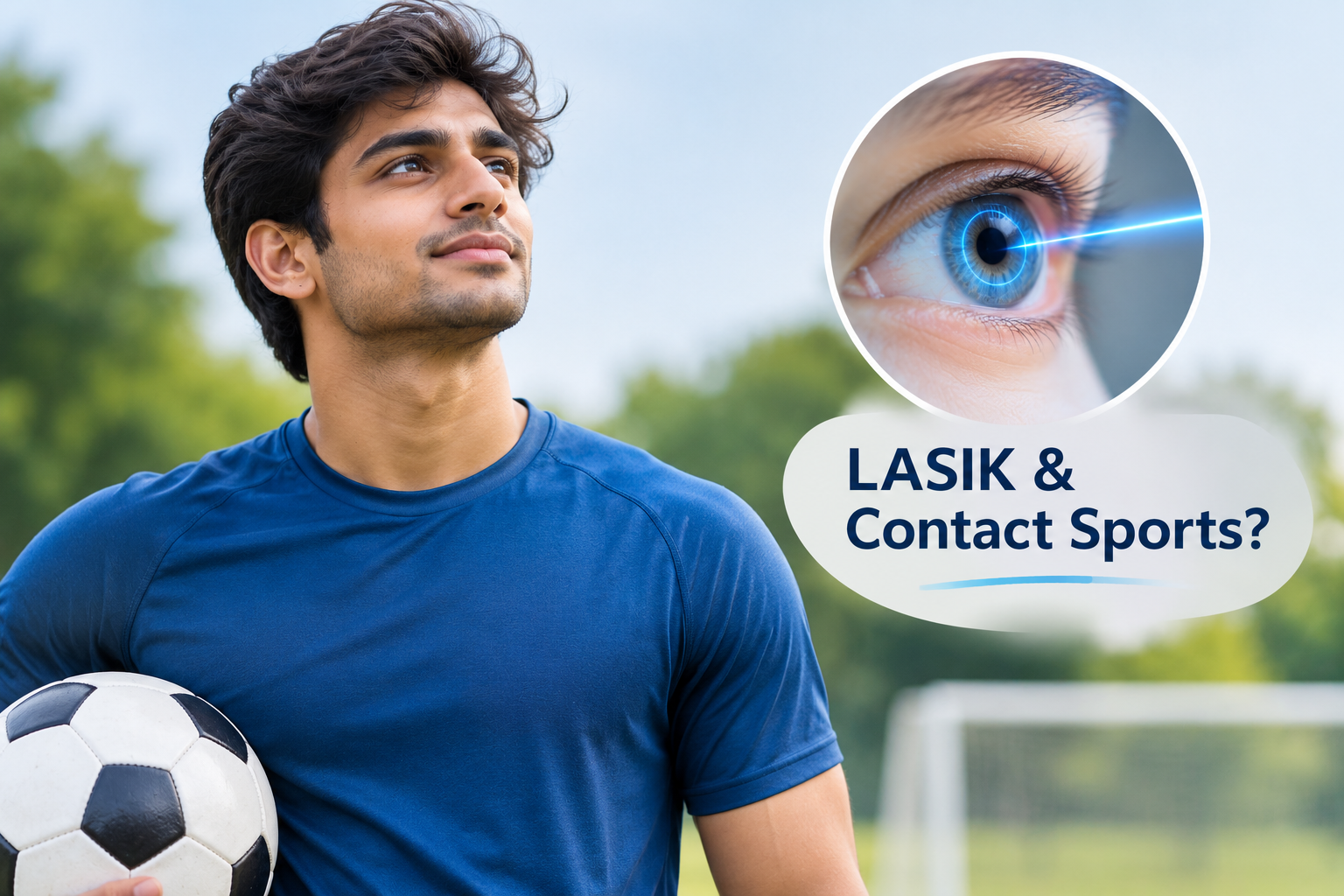
Can I undergo LASIK if I regularly play contact sports?
LASIK may be suitable for some athletes, but it is generally not the preferred option for people who frequently experience direct blows to the eyes or face. Sports such as boxing, wrestling and martial arts increase the risk of injury to the corneal flap created during LASIK.
When considering LASIK surgery for sports players, the type of sport, frequency of physical contact and likelihood of eye trauma are important factors.
At Kiran Eye Hospital, JP Nagar, Bengaluru, Dr. Kiran Kumar K and the ophthalmology team can assess whether LASIK or an alternative vision correction procedure may be appropriate.
Why does playing contact sports affect LASIK eligibility?
LASIK involves creating a thin flap in the cornea, lifting it and reshaping the underlying tissue with a laser.
After treatment, the flap is repositioned and heals without stitches.
Although healing occurs over time, the flap interface remains a consideration if the eye experiences significant trauma.
A direct blow or accidental finger injury may occasionally cause flap displacement, even long after surgery.
This is why ophthalmologists ask patients about sporting activities before recommending LASIK.
Someone who regularly boxes or wrestles may have different surgical considerations from a person who plays recreational badminton or runs.
Which sports carry a higher risk of eye injury after LASIK?
The risk depends on the possibility of direct facial contact, accidental collisions and the type of equipment used.
Examples of sports requiring particular consideration include:
- Boxing and kickboxing.
- Wrestling and full-contact martial arts.
- Rugby and other collision sports.
- Football and basketball, where accidental contact can occur.
- Cricket and racket sports, where balls or equipment may strike the eye.
Not all these activities carry the same level of risk.
For example, a recreational badminton player may have a substantially different injury profile from a competitive boxer.
The surgeon should assess the actual sporting activity rather than treating every athlete as unsuitable for LASIK.
Can a LASIK flap get damaged years after surgery?
Yes. Although uncommon, traumatic flap displacement has been reported years after LASIK.
The corneal surface heals following surgery, but the flap interface does not regain the same characteristics as an untouched cornea.
An injury may cause pain, blurred vision, tearing or increased sensitivity to light.
This risk is especially relevant for athletes who regularly receive blows to the face.
Protective eyewear may reduce some sporting eye injuries but cannot eliminate every risk associated with contact sports.
Patients should understand this long-term consideration before choosing LASIK.
Is PRK or SMILE a better option for contact sports players?
For some athletes, flap-free refractive procedures may be considered.
PRK removes the corneal surface epithelium before laser reshaping. Because it does not create a corneal flap, it avoids LASIK-specific flap displacement risks.
SMILE involves removing a small lenticule through a short corneal incision, without creating a LASIK-style flap.
However, neither procedure eliminates the risk of eye injury during sports.
PRK may require a longer initial recovery, while SMILE has different eligibility requirements.
The appropriate procedure depends on corneal measurements, prescription, tear film health and sporting activities.
Patients can review the hospital’s PRK surgery and SMILE surgery services.
Can LASIK help if my spectacles interfere with sports?
Spectacles can become inconvenient during physical activities because they may slip, fog, break or restrict the use of protective headgear.
Contact lenses may also cause difficulties when exposed to sweat, dust or dry outdoor conditions.
These are common reasons athletes explore laser vision correction.
However, the desire to reduce dependence on glasses should be balanced against surgical risks.
Myopia, hyperopia and astigmatism can cause blurred or distorted vision and may be corrected with suitable refractive procedures.
Laser treatment does not guarantee better sporting performance or complete freedom from spectacles.
Which eye tests are important for athletes considering LASIK?
For patients exploring LASIK Eye Surgery in Bangalore, preoperative assessment should consider both eye health and the physical demands of their sport.
Common investigations include:
Refraction testing: Measures spectacle power and prescription stability.
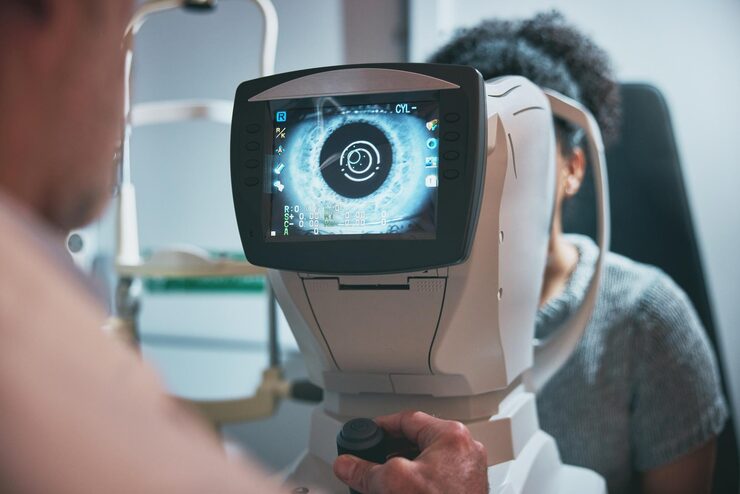
Corneal topography and tomography: Evaluate corneal shape and identify structural abnormalities.
Corneal pachymetry: Measures corneal thickness.
Tear film assessment: Identifies dry eye disease or ocular surface concerns.
Retinal examination: Helps detect retinal conditions, particularly in patients with high myopia.
The ophthalmologist should also ask about previous eye injuries, sporting schedules and protective equipment.
Athletes with high myopia may require particular retinal evaluation because some retinal problems can increase the consequences of blunt eye trauma.
When can I return to sports after LASIK surgery?
The return-to-sport timeline depends on the procedure, healing and type of physical activity.
Light, non-contact activities may be permitted relatively early if the surgeon confirms recovery is progressing appropriately.
Strenuous contact sports are generally avoided for at least four weeks after LASIK, and sometimes longer depending on individual circumstances.
Even after clearance, the longer-term risk of flap injury from direct trauma remains relevant.
Swimming and water-based activities have separate restrictions because of infection concerns.
Athletes should never return to competition solely because their vision feels clear.
The ophthalmologist must confirm that healing is adequate.
Should I wear protective eyewear after laser vision correction?
Suitable protective eyewear can reduce the risk of eye injuries during some sports.
Sports-specific polycarbonate protective goggles or approved face shields may be recommended depending on the activity.
Ordinary prescription spectacles are not a substitute for appropriately designed sports eye protection.
However, no protective device makes boxing or full-contact martial arts completely safe for the eyes.
Athletes should discuss the limitations of protective equipment with their ophthalmologist.
When should a sports player seek urgent eye care?
After an eye injury, seek urgent ophthalmic attention if you experience:
- Sudden blurred or reduced vision.
- Severe pain or increasing redness.
- Excessive tearing or light sensitivity.
- New flashes or a sudden increase in floaters.
- A shadow or curtain across your vision.
These symptoms can indicate corneal injury, flap-related complications or retinal damage.
Avoid rubbing the injured eye or returning to play before medical assessment.
Where can athletes discuss laser eye surgery in Bangalore?
Patients considering LASIK surgery for sports players can seek a refractive surgery evaluation at Kiran Eye Hospital, Vishnu Towers, ITI Layout, 1st Phase, JP Nagar, Bengaluru.
Dr. Kiran Kumar K, Medical Director and Chief Surgeon, holds MBBS, MD (AIIMS, New Delhi), DNB, FAICO (Cornea), FAICO (Refractive Surgery) and MNAMS qualifications.
His professional expertise includes LASIK, PRK, SMILE and corneal surgery.
A consultation with Dr. Kiran Kumar K or the ophthalmology team can help athletes understand procedure-specific risks, eye protection and whether surgery is appropriate for their sporting requirements.
Further information is available on the hospital’s LASIK surgery service page.
Frequently Asked Questions About LASIK and Contact Sports
1. Can a professional boxer undergo LASIK surgery?
LASIK is generally not preferred for professional boxers because repeated blows to the face can increase the risk of corneal flap injury. An ophthalmologist may discuss flap-free alternatives such as PRK, depending on eye health and eligibility.
2. Is LASIK safe for football and basketball players?
Some players may qualify for LASIK, but accidental collisions, elbows and finger injuries can affect the eyes. The surgeon should assess the player’s level of contact, protective equipment and alternative treatment options before recommending surgery.
3. Can I return to contact sports one month after LASIK?
Some patients may be cleared after approximately four weeks, but recovery varies. The ophthalmologist must examine the eye and provide individual clearance. Returning to play does not eliminate the long-term risk of traumatic flap displacement.
4. Is SMILE safer than LASIK for athletes?
SMILE does not create a LASIK-style corneal flap, avoiding flap-specific displacement risks. However, it has its own eligibility criteria and complications. The safest suitable option depends on examination findings and the athlete’s sport.
5. Can protective sports goggles prevent LASIK flap injuries?
Appropriate sports goggles can reduce some eye injuries, but they cannot guarantee protection against every impact. Full-contact sports may remain risky, and athletes should discuss their activities with an ophthalmologist.
Book a Consultation
It’s easy and free!