One of the most common questions eye specialists hear from patients is: • “Can cataracts be treated without surgery?”• “Are there eye drops that can remove cataracts?”• “Can medicines delay surgery permanently?”• “Is surgery the only option?” Many people feel anxious after being told they need cataract surgery and naturally start searching for alternatives first. …

One of the most common questions eye specialists hear from patients is:
• “Can cataracts be treated without surgery?”
• “Are there eye drops that can remove cataracts?”
• “Can medicines delay surgery permanently?”
• “Is surgery the only option?”
Many people feel anxious after being told they need cataract surgery and naturally start searching for alternatives first. This is especially common among older adults who are worried about surgery, recovery, or complications.
In 2026, despite major advancements in eye care technology, cataracts still cannot be permanently cured using medicines or eye drops alone. However, understanding when surgery becomes necessary and when temporary management may help is important for making informed decisions.
If you are considering Cataract Surgery in Kanakapura Road, knowing the facts about cataract treatment can help you avoid misinformation and delayed care.
What Exactly Happens in a Cataract?
A cataract develops when the eye’s natural lens gradually becomes cloudy. This cloudiness blocks light from passing clearly into the eye, leading to:
• Blurred vision
• Glare while driving
• Difficulty reading
• Faded colors
• Poor night vision
• Frequent changes in glasses power
Cataracts usually develop slowly with age, but they can also occur due to:
• Diabetes
• Long term steroid use
• Eye injuries
• UV exposure
• Previous eye surgeries
At Kiran Eye Hospital, specialists often meet patients who delayed treatment for years hoping medicines or home remedies would improve their cataracts naturally.
Can Eye Drops Remove Cataracts Permanently?
Currently, no scientifically proven eye drop can completely reverse or remove cataracts permanently.
Some products marketed online may claim to:
• Dissolve cataracts
• Restore clear vision naturally
• Prevent surgery completely
However, there is no medically approved eye drop in routine clinical use today that can fully eliminate established cataracts.
This is important because relying only on unverified treatments may allow cataracts to progress further and affect quality of life.
Patients considering Cataract Surgery in Kanakapura Road should always consult qualified eye specialists before trying alternative remedies found online.
Are There Medicines That Can Delay Cataract Surgery?
In very early stages, some patients may temporarily manage symptoms through:
• Updated glasses prescription
• Better lighting
• Anti glare lenses
• UV protection sunglasses
These methods may improve comfort for a period of time but do not stop cataract progression itself.
Eventually, as the lens becomes cloudier, surgery becomes the most effective treatment option.
Consulting specialists experienced in Cataract Surgery in Kanakapura Road helps determine whether your cataract can still be monitored safely or whether surgery should be planned soon.
Cataract Surgery in Kanakapura Road: When Does Surgery Become Necessary?
Cataract surgery is usually recommended when vision problems begin affecting daily life.
You may need surgery if you experience:
• Difficulty driving at night
• Trouble reading screens or books
• Glare from lights
• Frequent falls or imbalance
• Reduced independence
• Poor visibility despite glasses
Modern Cataract Surgery in Kanakapura Road is not only about removing cloudy lenses. It is also about improving quality of life, comfort, and visual independence.
At Kiran Eye Hospital, Dr. Kiran Kumar K carefully evaluates each patient’s vision needs, lifestyle, and eye health before recommending the right timing for surgery.
Why Delaying Cataract Surgery Too Long May Not Be Safe
Many patients continue postponing surgery because they fear the procedure or believe they should wait until vision becomes “completely gone.”
However, advanced cataracts may lead to:
• Hardening of the lens
• Increased surgical complexity
• Longer recovery
• Higher eye pressure
• Increased risk of falls in older adults
This is why timely evaluation matters.
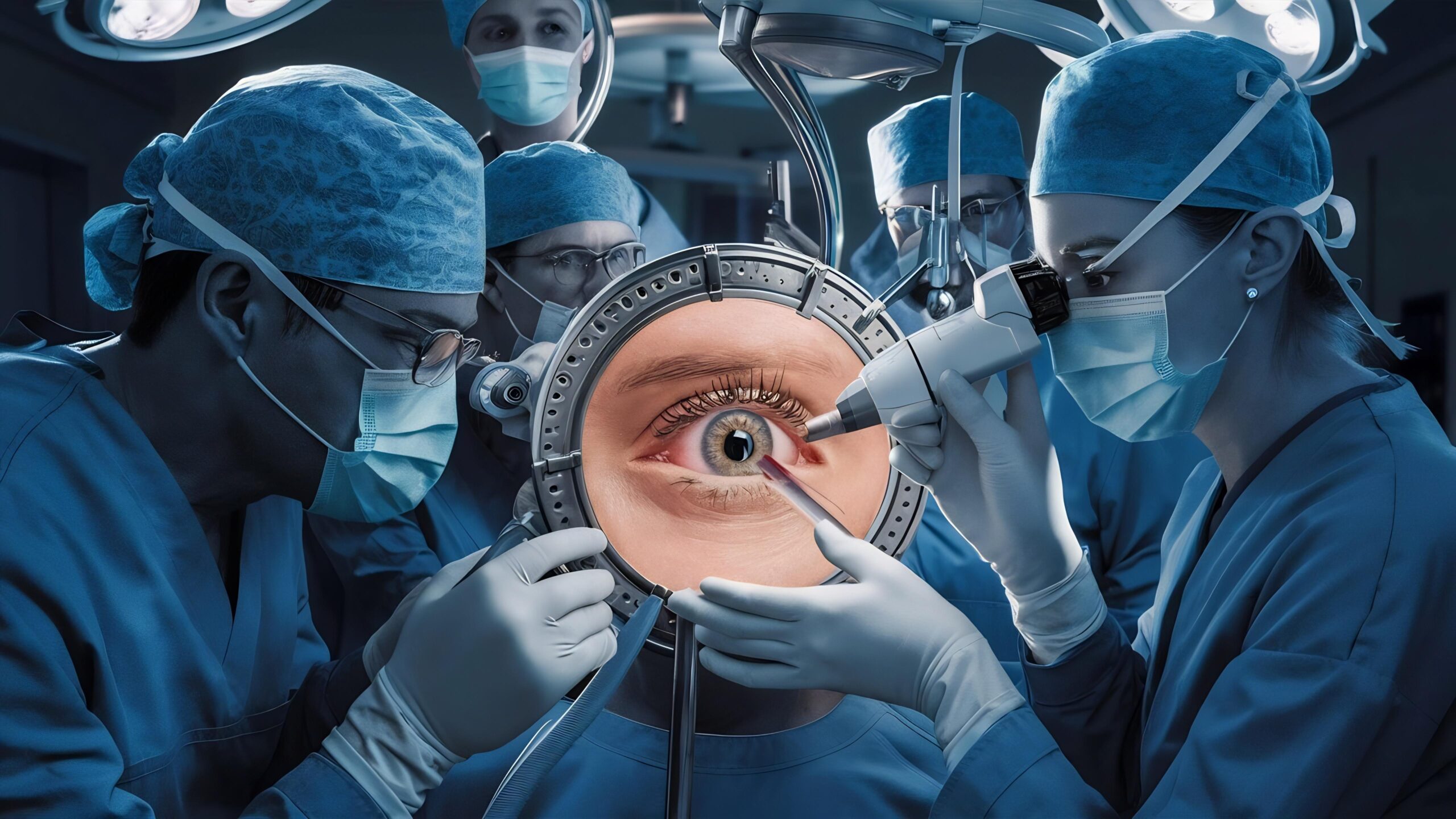
Patients searching for Cataract Surgery in Kanakapura Road today benefit from advanced diagnostics and safer surgical techniques compared to older cataract procedures.
Cataract Surgery in Kanakapura Road: How Modern Treatment Has Improved
Modern cataract surgery in 2026 is:
• Minimally invasive
• Faster than before
• Highly precise
• Usually painless
• Designed for quicker recovery
Today’s procedures also offer advanced lens options including:
• Monofocal lenses
• Multifocal lenses
• Toric lenses for astigmatism
• Premium lifestyle lenses
Choosing the correct lens is an important part of visual outcome planning.
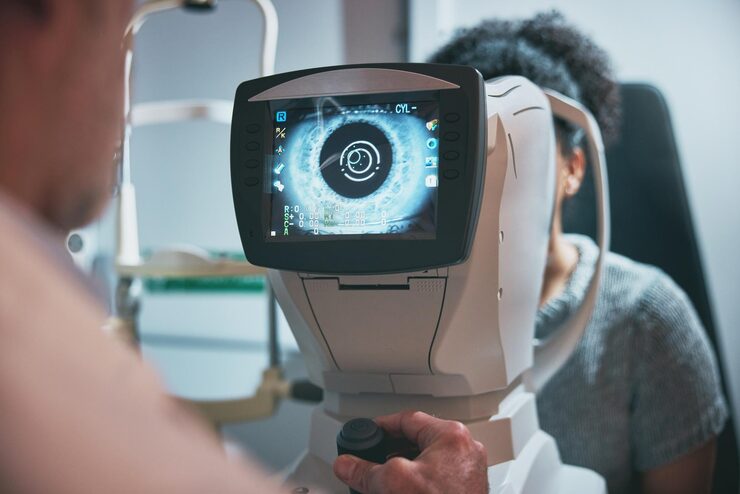
At Kiran Eye Hospital, patients undergo detailed eye examinations to ensure personalized treatment planning before surgery.
Can Lifestyle Changes Prevent Cataracts?
Healthy habits may help slow overall eye aging and support long term eye health, including:
• Controlling diabetes
• Wearing UV protective sunglasses
• Avoiding smoking
• Maintaining healthy nutrition
• Getting regular eye checkups
However, these measures cannot permanently remove already formed cataracts.
This is why patients experiencing worsening vision should not rely only on lifestyle changes once cataracts become visually significant.
How Do You Know If It’s Time for Surgery?
You should consider consultation if:
• Glasses no longer improve your vision clearly
• Daily activities feel difficult
• You avoid driving at night
• Reading becomes uncomfortable
• Vision affects work or independence
A detailed examination by specialists performing Cataract Surgery in Kanakapura Road can help determine whether surgery is necessary immediately or if monitoring is still appropriate.
Why Patients Often Seek a Second Opinion
Many patients feel uncertain after being advised surgery and want reassurance before proceeding.
A second opinion may help if:
• You feel rushed into surgery
• You are confused about lens options
• Symptoms feel mild
• Different hospitals suggest different treatments
Good cataract consultations should include:
• Vision assessment
• Retina evaluation
• Eye pressure testing
• Lens discussion
• Recovery explanation
At Kiran Eye Hospital, Dr. Kiran Kumar K emphasizes patient education and individualized planning so patients can make informed and comfortable treatment decisions.
Final Thoughts
It is natural to hope cataracts can be treated with medicines or eye drops instead of surgery. However, once cataracts begin significantly affecting vision, surgery remains the most effective and proven treatment option available today.
The good news is that modern Cataract Surgery in Kanakapura Road has become safer, faster, and more advanced than ever before.
Instead of delaying treatment due to fear or misinformation, consulting an experienced eye specialist can help you understand:
• Whether surgery is actually needed
• The right timing for treatment
• Which lens option suits you best
• What results to realistically expect
Making informed decisions early can help protect your long term vision and overall quality of life.
FAQs
1. Can cataracts go away with eye drops?
No. Currently, cataracts cannot be permanently removed using eye drops or medicines. Surgery remains the most effective treatment once vision becomes significantly affected.
2. Is cataract surgery painful?
Modern cataract surgery is usually painless and minimally invasive. Most patients recover quickly with minimal discomfort.
3. How long can I delay cataract surgery?
This depends on the severity of the cataract and your daily vision difficulties. Delaying surgery too long may sometimes increase surgical complexity and affect quality of life.
Book a Consultation
It’s easy and free!