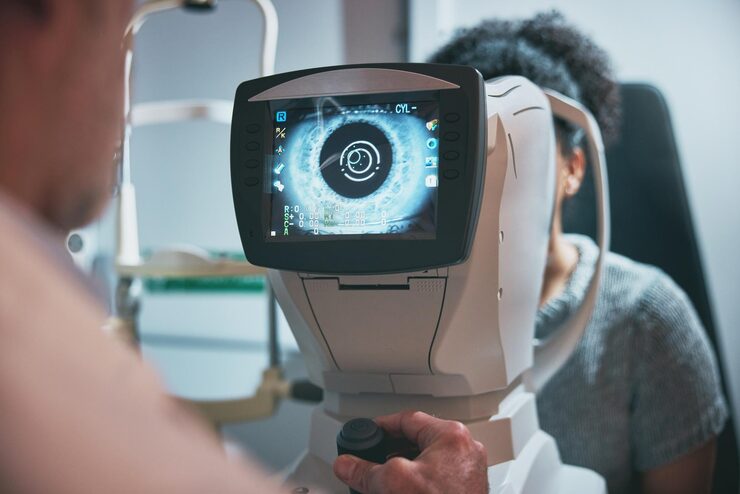
Have you started noticing that your vision is becoming cloudy, colours look less bright, or headlights appear unusually glaring at night? These changes may be signs of cataracts. Cataracts develop when the natural lens inside the eye becomes cloudy, gradually affecting the way light reaches the retina. Cataracts are commonly associated with ageing, but they …

Have you started noticing that your vision is becoming cloudy, colours look less bright, or headlights appear unusually glaring at night? These changes may be signs of cataracts. Cataracts develop when the natural lens inside the eye becomes cloudy, gradually affecting the way light reaches the retina.
Cataracts are commonly associated with ageing, but they can also develop earlier because of diabetes, certain medications, previous eye injuries, prolonged ultraviolet exposure and other health factors. The good news is that cataracts are treatable, and modern cataract surgery can restore functional vision for many patients.
For people looking for Advanced Cataract Surgery Treatment in Bangalore, understanding when treatment is required, what the procedure involves and how modern lens options work can make the decision easier.
What Is a Cataract?
A cataract is a clouding of the natural lens of the eye. The lens normally focuses incoming light onto the retina, helping you see objects clearly. As the lens becomes cloudy, light does not pass through it efficiently, resulting in gradual changes in vision.
Cataracts usually develop slowly. You may initially notice only minor difficulty while reading or driving at night. Over time, these changes can interfere with everyday activities.
A cataract does not necessarily mean that surgery is immediately required. An ophthalmologist evaluates the extent of lens opacity and how much it is affecting your daily life before recommending treatment.
What Causes Cataracts?
Ageing is one of the most common factors associated with cataract development. However, cataracts can occur earlier due to several other factors.
Common risk factors include:
- Increasing age
- Diabetes or poorly controlled blood sugar
- Long-term use of certain steroid medications
- Previous eye trauma or surgery
- Prolonged exposure to ultraviolet radiation
- Family history of cataracts
- Smoking
- Certain medical conditions
- Nutritional and metabolic factors
Having one or more risk factors does not mean that you will definitely develop a cataract. Regular eye examinations can help identify lens changes at an early stage.
Common Symptoms of Cataracts
Cataract symptoms can vary depending on the type and stage of the cataract. Many people experience a gradual decline rather than sudden vision loss.
You may notice:
- Blurred or cloudy vision
- Difficulty seeing in low light
- Increased sensitivity to bright lights
- Glare while driving at night
- Halos around lights
- Faded or less vivid colours
- Frequent changes in spectacle prescription
- Difficulty reading or watching television
- Reduced confidence while driving
- Double vision in one eye in some cases
If these symptoms are affecting your routine, an eye examination can determine whether cataracts are responsible or whether another eye condition is causing the visual changes.
When Is Cataract Surgery Needed?
A common misconception is that patients need to wait until a cataract becomes completely mature before having surgery. In modern eye care, the decision is generally based on how much the cataract is affecting your vision and quality of life.
If you are struggling to read, drive, work, recognise faces, use digital screens or perform other everyday activities because of reduced vision, it may be time to discuss cataract surgery with an ophthalmologist.
The timing can vary from one person to another. A detailed examination helps your doctor determine whether monitoring is sufficient or whether surgery would provide a meaningful improvement.
What Is Advanced Cataract Surgery?
Modern cataract surgery involves removing the cloudy natural lens and replacing it with an artificial intraocular lens, commonly called an IOL.
At Kiran Eye Hospital, cataract surgery information includes modern techniques such as phacoemulsification and micro-incision cataract surgery, along with different IOL options based on the patient’s visual requirements.
The procedure generally involves a detailed pre-operative assessment followed by lens removal and implantation of the selected IOL.
The goal is not simply to remove the cataract. The treatment plan also considers the patient’s eye health, lifestyle, visual expectations and suitable lens choice.
How Is Cataract Surgery Performed?
Before surgery, your ophthalmologist performs a comprehensive eye examination and measurements to assess the eye and determine the appropriate IOL power.
During the procedure:
- The eye is prepared and numbed using local anaesthesia.
- A small incision is made in the eye.
- The cloudy natural lens is broken into smaller fragments.
- The lens material is gently removed.
- A selected intraocular lens is placed inside the eye.
- The incision is allowed to heal, usually without the need for conventional stitches in modern small-incision procedures.
The actual procedure is generally short, and many patients can return home on the same day after appropriate post-operative observation. Kiran Eye Hospital’s cataract service information describes typical surgery as taking around 10–20 minutes per eye, although the total time at the hospital can be longer because of preparation and recovery.
Choosing the Right Intraocular Lens
The IOL is an important part of cataract surgery because it replaces the natural lens removed during the procedure.
Different lens options can serve different visual needs. Depending on your eye measurements, lifestyle and expectations, your ophthalmologist may discuss options such as:
- Monofocal lenses
- Toric lenses for suitable patients with astigmatism
- Multifocal or other advanced lens designs for selected patients
There is no single lens that is ideal for everyone. The right choice depends on factors such as your eye health, existing refractive error, daily activities and visual priorities.
A detailed discussion before surgery helps you understand what each option can and cannot provide.
What Are the Benefits of Modern Cataract Surgery?
The main objective of cataract surgery is to improve vision that has been reduced by the cloudy lens.
Depending on the patient’s condition and chosen IOL, successful treatment may help with:
- Clearer vision
- Better contrast and brightness
- Improved ability to read
- Greater confidence with everyday activities
- Better vision in suitable lighting conditions
- Reduced dependence on glasses for certain distances in selected patients
The outcome varies between individuals, particularly when other eye diseases such as glaucoma, retinal disorders or corneal conditions are present.
What Is Recovery Like After Cataract Surgery?
Cataract surgery usually has a relatively short recovery period, but following post-operative instructions is important.
Your doctor may prescribe eye drops and recommend precautions such as avoiding rubbing the operated eye, keeping the eye clean and attending scheduled follow-up examinations.
Vision may improve quickly, but the exact recovery time differs from patient to patient. Your ophthalmologist will advise you when it is appropriate to resume specific activities.
It is important not to judge the final result immediately after surgery. The eye needs time to heal, and follow-up appointments help your doctor monitor the recovery.
Can Cataracts Be Prevented?
There is no guaranteed way to prevent age-related cataracts completely. However, protecting your overall eye and general health may help reduce certain risk factors.
Helpful measures include:
- Protecting your eyes from excessive UV exposure
- Managing diabetes and blood sugar levels
- Following a balanced diet
- Avoiding smoking
- Using medications such as steroids only as prescribed
- Wearing appropriate eye protection when there is a risk of injury
- Attending regular eye examinations
For people with diabetes or other conditions that increase the risk of eye problems, regular ophthalmic evaluation is particularly important.
Why Choose Kiran Eye Hospital for Cataract Treatment in Bangalore?
Kiran Eye Hospital provides comprehensive ophthalmic care supported by modern diagnostic and surgical technology. The hospital’s cataract services include advanced surgical techniques, IOL options and personalized treatment planning.
The hospital is led by Dr. Kiran Kumar K, Medical Director and Chief Surgeon, who completed his MD at AIIMS New Delhi and has additional qualifications in cornea and refractive surgery. The hospital also has Dr. Vandana M Kiran, Managing Director, as part of its ophthalmology team.
For patients, the focus should be on choosing treatment after understanding the cataract, the health of the rest of the eye and the available lens options rather than selecting a procedure based on technology alone.
When Should You See an Eye Specialist?
Do not ignore gradually worsening vision simply because cataracts are usually painless. An eye examination is especially important if you experience persistent blurring, night-time glare, difficulty reading, or vision changes that interfere with your normal activities.
An ophthalmologist can determine whether cataracts are responsible and whether surgery is appropriate.
If you are considering Advanced Cataract Surgery Treatment in Bangalore, a comprehensive evaluation at Kiran Eye Hospital can help you understand your condition, treatment choices and expected visual outcomes before making a decision.
Frequently Asked Questions
1. Is cataract surgery painful?
Cataract surgery is generally performed using local anaesthesia to numb the eye, so most patients experience little or no pain during the procedure.
2. How long does cataract surgery take?
The surgical procedure itself is usually short. Kiran Eye Hospital states that cataract surgery commonly takes around 10–20 minutes per eye, although preparation and post-operative observation add to the overall hospital visit.
3. Do all cataract patients need advanced lenses?
No. The appropriate IOL depends on your eye condition, lifestyle, visual requirements and clinical assessment. Your ophthalmologist can explain which options are suitable for you.
4. Can cataracts come back after surgery?
The cataract itself does not grow back because the cloudy natural lens has been removed. However, some patients can develop clouding of the capsule behind the IOL, which can be treated separately if required.
5. Is cataract surgery suitable for older adults?
Age alone does not determine whether someone is suitable for cataract surgery. A comprehensive medical and eye evaluation helps determine whether surgery is appropriate.
6. Can cataract surgery correct spectacle power?
Some IOL options can reduce certain refractive errors. However, the extent of spectacle independence varies from person to person and should be discussed with your ophthalmologist before surgery.
Book a Consultation
It’s easy and free!