
Neuro-Ophthalmology
Bangalore’s Best Eye Surgeons Providing Advanced Neuro-Ophthalmology
Our Services
Testimonials
Neuro-Ophthalmology Treatment in Bangalore
Neuro-ophthalmology is a specialized field of medicine that focuses on vision problems related to the nervous system, particularly the connection between the brain and the eyes. Certain eye conditions are not caused by problems in the eye itself but by disorders affecting the optic nerve, brain pathways, or neurological system.
Neuro-ophthalmic conditions can affect vision, eye movements, and pupil reactions. These issues often require specialized diagnosis and treatment because they may be linked to neurological disorders, stroke, tumors, or nerve damage. Early detection and treatment are essential to prevent long-term vision complications.
Neuro-ophthalmology plays a crucial role in diagnosing complex visual problems that cannot be explained by routine eye examinations. Through advanced diagnostic tests and specialized medical care, neuro-ophthalmologists can identify the underlying neurological causes of visual disturbances and provide effective treatment.

Thousands of Successful Cataract Surgeries
Years of experience performing safe and effective cataract procedures.
Experienced Eye Specialists
Dedicated ophthalmologists specializing in cataract, glaucoma, retina, and comprehensive eye care.
Advanced Surgical Technology
Modern techniques including micro-incision cataract surgery and advanced intraocular lenses.
Patient-Centered Care
Personalized treatment plans, transparent pricing, and complete pre- and post-operative support.
What is Neuro-Ophthalmology?
Neuro-ophthalmology is the branch of ophthalmology that deals with vision disorders related to the optic nerve, brain, and nervous system. It combines expertise from both neurology and ophthalmology to diagnose and manage conditions that affect how the brain processes visual information.
Common conditions treated under neuro-ophthalmology include:
Optic Neuritis – Inflammation of the optic nerve that can cause sudden vision loss.
Double Vision (Diplopia) – A condition where a person sees two images of a single object.
Optic Nerve Disorders – Damage or disease affecting the optic nerve.
Papilledema – Swelling of the optic nerve due to increased pressure in the brain.
Visual Field Loss – Loss of part of the visual field due to neurological conditions.
Pupil Abnormalities – Issues affecting how pupils respond to light.
Eye Movement Disorders – Conditions that affect coordination between the eyes.
Neuro-ophthalmology is especially important because many systemic diseases can present symptoms through the eyes, allowing early diagnosis of serious neurological conditions.
Causes of Neuro-Ophthalmic Disorders
Neuro-ophthalmic conditions can develop due to several medical or neurological factors. Some of the most common causes include:
Neurological diseases such as multiple sclerosis
Brain tumors or lesions
Stroke affecting the visual pathways
Head injuries or trauma
Optic nerve inflammation or infections
High intracranial pressure
Diabetes or vascular disorders
Autoimmune diseases
Because many of these conditions are serious, timely evaluation by specialists is essential for proper diagnosis and treatment.
Treatment Options
Treatment for neuro-ophthalmic conditions depends on the underlying cause. Some common treatment approaches include:
Medications – Anti-inflammatory drugs or steroids may be used to treat conditions like optic neuritis.
Neurological Treatment – If the condition is related to a neurological disorder such as multiple sclerosis or stroke, specialized neurological treatment may be required.
Vision Therapy – In some cases, eye exercises or therapy may help improve coordination and visual function.
Surgical Treatment – Surgery may be necessary in cases where tumors, pressure, or structural abnormalities affect the optic nerve.
Early diagnosis and appropriate treatment are critical in preventing permanent vision damage caused by neurological conditions.
Recovery from Neuro-Ophthalmology Treatment
Recovery from neuro-ophthalmology treatment depends largely on the underlying cause of the condition and how early it is detected.
Medication-based treatments may show improvement within days or weeks.
Neurological conditions may require long-term management and monitoring.
Vision therapy may take several weeks or months to improve eye coordination and visual function.
Surgical treatments require a recovery period depending on the type of procedure performed.
Regular follow-up visits are important to monitor progress and ensure the condition is properly managed. Early treatment significantly improves the chances of preserving vision.
Why Choose Kiran Eye Hospital for Neuro-Ophthalmology?
Choosing the right center for neuro-ophthalmology treatment is important because these conditions require expertise in both eye care and neurological diagnosis.
Expert Eye Specialists – Experienced ophthalmologists trained in diagnosing complex eye and nerve disorders.
Advanced Diagnostic Technology – Modern imaging and diagnostic tools help identify neurological causes of vision problems.
Comprehensive Eye Care – Complete evaluation and treatment for a wide range of eye and vision conditions.
Patient-Centered Approach – Personalized treatment plans designed to meet each patient’s unique needs.
For patients experiencing unexplained vision changes, double vision, or optic nerve issues, timely consultation is essential. Expert diagnosis and treatment can help protect vision and improve overall eye health.
Neuro-Ophthalmology Treatment | Eye Specialist in Bangalore
Frequently Asked Questions (FAQs)
What is neuro-ophthalmology?
Neuro-ophthalmology is a medical specialty that focuses on vision problems related to the brain and nervous system.
What symptoms require neuro-ophthalmology evaluation?
Symptoms include double vision, sudden vision loss, optic nerve problems, or abnormal eye movements.
Are neuro-ophthalmic conditions treatable?
Yes, many conditions can be treated with medications, therapy, or surgery depending on the cause.
How can I get treatment for neuro-ophthalmology conditions?
Book your appointment at Kiran Eye Hospital for expert diagnosis and advanced treatment for neuro-ophthalmology conditions.
Comprehensive Vision Care For Every Stage of Life
From childhood through the senior years, Kiran Eye Hospital provides expert, personalized eye care designed to meet the unique vision needs of every stage of life.
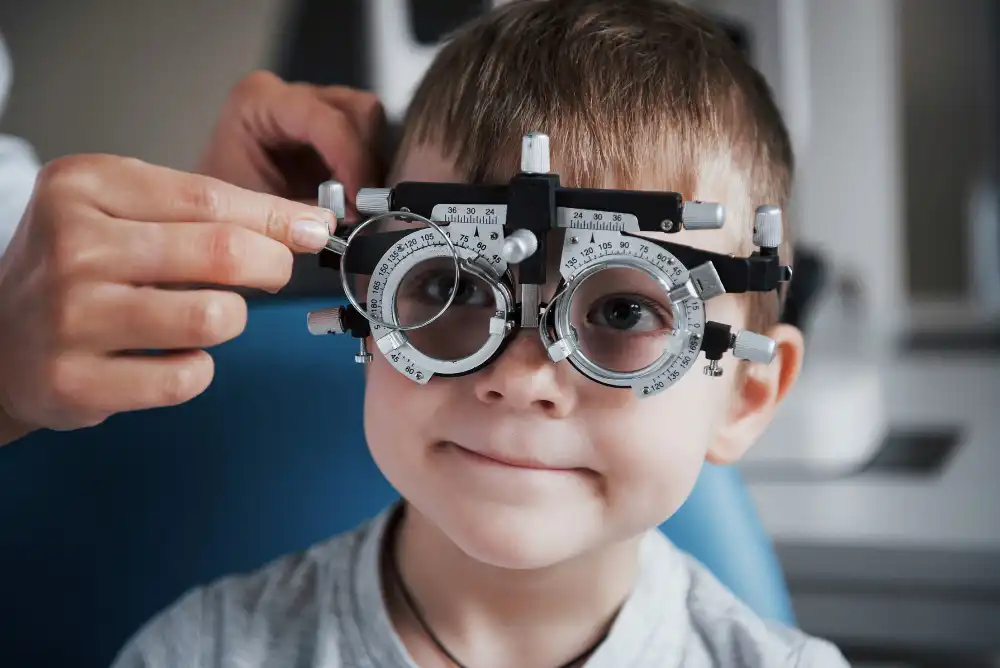
Paediatric Vision Care
Dedicated pediatric eye specialists providing gentle, personalized care for children’s developing vision.
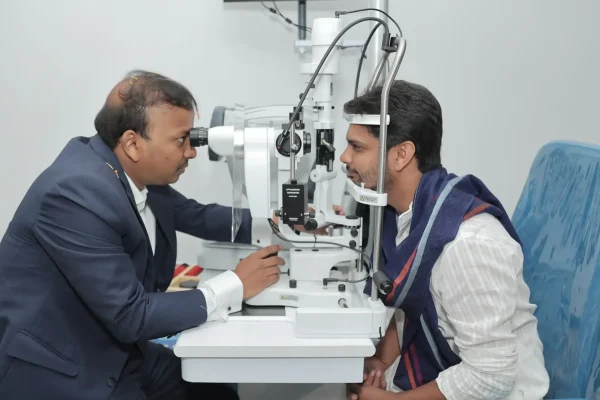
Preventive Eye Care
Proactive eye care for young adults, helping maintain healthy vision and prevent future eye problems.
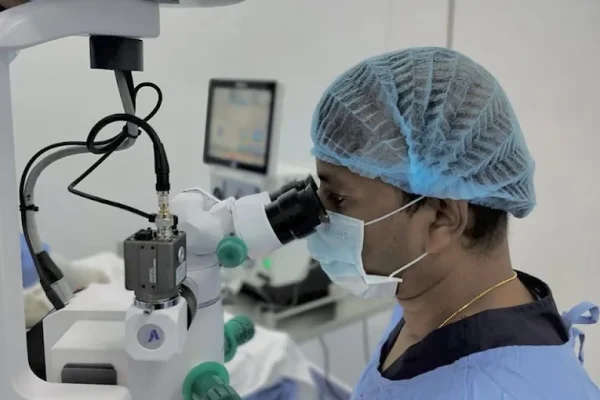
Midlife Eye Health
Focused care for middle-aged vision needs, offering customized treatments to manage changing eye health.
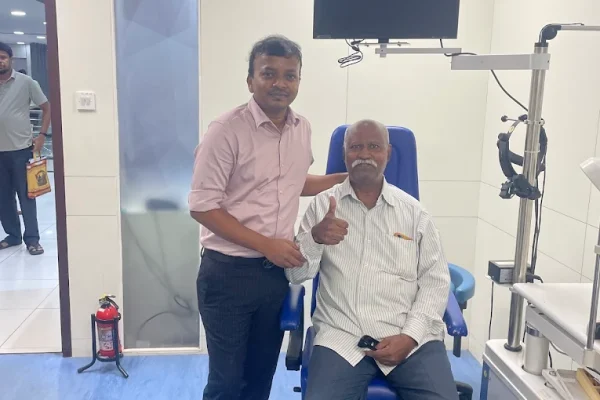
Senior Eye Care
Specialists in age-related eye conditions, providing advanced treatments to protect and improve vision in older adults.