
Cataracts come in several forms, each affecting the lens differently. They may develop with age, from injury, genetics, or medical conditions, and can cause varying levels of cloudiness and vision disturbance.

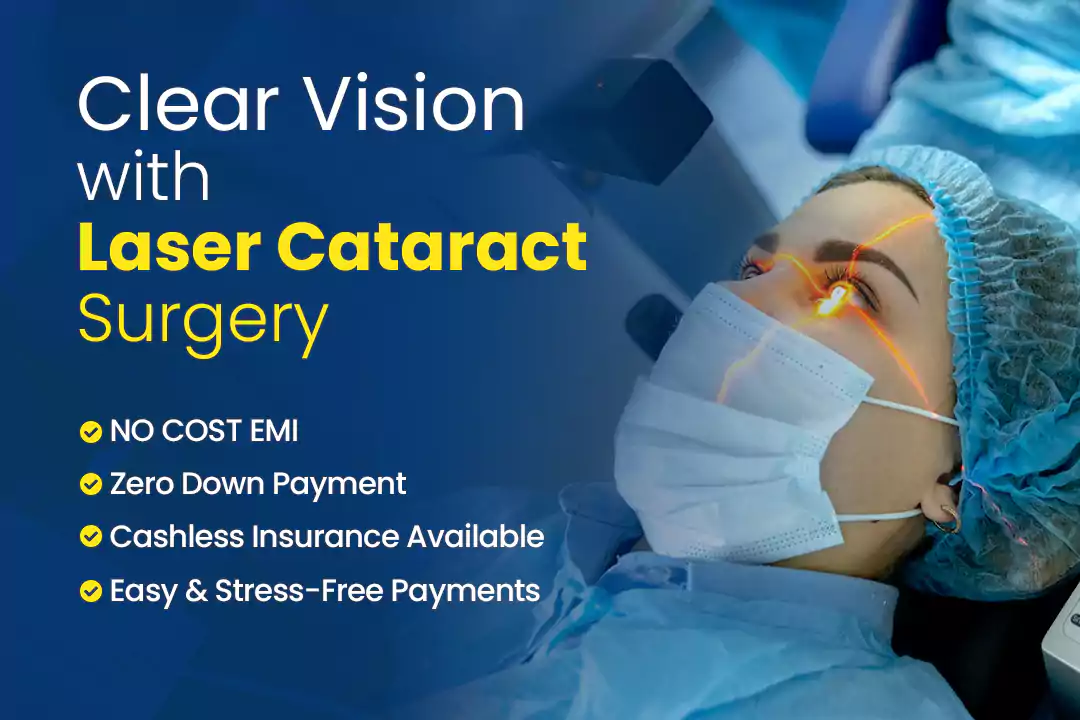
Clear Vision Begins Here — Book Your Appointment Today
Various Types of Cataracts Explained
Nuclear Cataract
Nuclear cataract causes clouding in the central lens, leading to blurred vision and glare.
Cortical Cataract
Cortical cataract causes spoke-like lens changes, leading to glare and blurred vision.
Congenital Cataract
Congenital cataract is lens clouding present at birth, affecting early vision development.
Posterior Subcapsular Cataract
Posterior subcapsular cataract forms behind the lens, causing glare.
What Leads to Cataract Formation
Age is one of the primary factors behind the development of cataracts. As you grow older, the natural transparency of the clear lens gradually reduces, eventually leading to a cloudy cataract.
In addition to aging, several other factors can speed up this clouding process. Here are some additional causes that may contribute to your blurred or clouded vision:
Age-Related Changes
As we age, lens proteins break down and clump, causing gradual clouding called age-related cataract.
Genetics & Family History
If parents or close relatives have had cataracts early in life, there is a higher chance of developing them due to inherited tendencies.
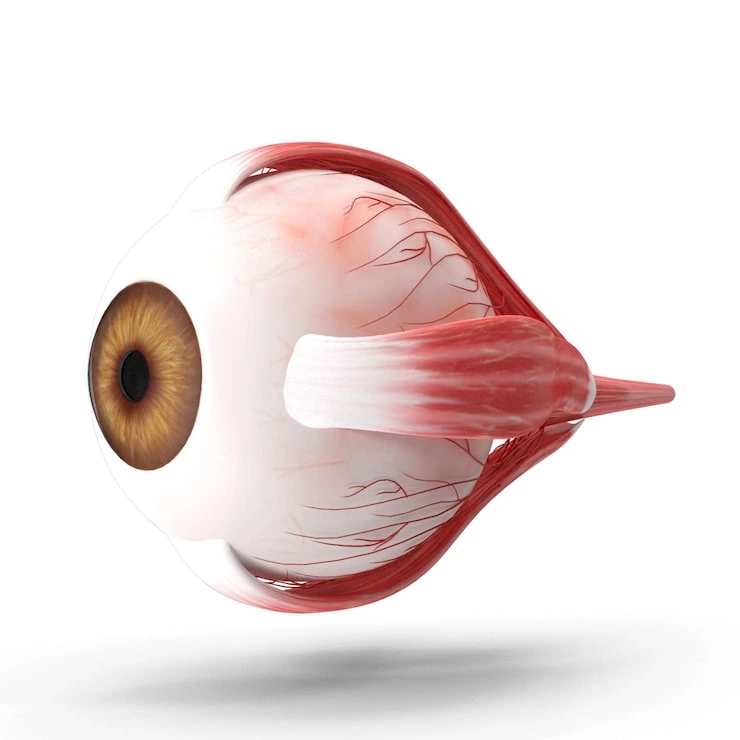
Eye Injuries (Traumatic Cataract)
A sudden injury, blow to the eye, or penetrating wound can cause cataracts either immediately or years later.
Long-Term Steroid Use
Prolonged use of steroid medications—oral, topical, inhaled, or injected—can lead to cataracts, especially posterior subcapsular cataracts.
What is a Cataract?

What is a Cataract?
A cataract is a condition in which the eye’s natural clear lens becomes cloudy, preventing light from passing through efficiently to the retina. This clouding leads to blurred, foggy, or dim vision. Cataracts typically develop gradually as part of the natural aging process, but in some cases, they may appear earlier due to injury, inflammation, genetic factors, or certain medical conditions.
When the transparent lens loses its clarity, everyday activities such as reading, driving, or seeing in bright or low-light conditions become difficult. Over time, the cloudiness may increase, affecting the sharpness and brightness of vision.
Common changes seen in cataract include:
Clouding of the natural lens
Reduced clarity or blurred vision
Age-related degeneration
Decreased light reaching the retina
Symptoms of Cataract
Cataracts often develop slowly, so symptoms may begin mildly and progress over time. Common signs include:
Diagnosis of Cataract
An eye specialist can diagnose cataracts through a detailed eye examination, which typically includes:

Cataract Surgery – FAQs | Kiran Eye Hospital
Cataract surgery is a procedure that removes the cloudy natural lens of the eye and replaces it with a clear artificial lens (IOL) to restore sharp vision.
No. The procedure is generally painless. Numbing eye drops or local anesthesia ensure you remain comfortable throughout.
Most cataract surgeries take 10–15 minutes, and patients usually go home within a few hours.
When blurred vision, glare, or difficulty with daily tasks—like reading or driving—begin to affect quality of life, surgery is recommended.
Common IOLs include:
Monofocal lenses – clear distance vision
Multifocal lenses – distance + near vision
Toric lenses – correct astigmatism
Your doctor will suggest the best option based on your eyes.
Testimonials
Real Stories. Clearer Vision.
[trustindex no-registration=google]
Location
Visit Us — Easy to Reach, Ready to Care
Avail free cataract screening and comprehensive cataract check-ups at Kiran Eye Hospital. Contact us today for expert diagnosis and treatment.
Location
JP Nagar, Bengaluru 20, ground floor, Vishnu Towers, ITI Layout, 1st Phase, J. P. Nagar, Bengaluru, Karnataka 560078
Call Us
+91 8105681057